


Resources
Articles
Practical guides and industry updates to help your organization stay secure and compliant in a digital-first world.

HIPAA Compliance in 7 Steps: Your Ultimate Guide
HIPAA Compliance in 7 Steps: Your Ultimate Guide
In the ever-evolving landscape of healthcare, safeguarding patient information is of utmost importance. HIPAA compliance stands as a critical framework to ensure the confidentiality, integrity, and availability of protected health information (PHI). This article will guide you through the intricacies of HIPAA compliance and provide a step-by-step approach to achieving it.
The 5 HIPAA Rules
Security Rule: The Security Rule mandates the implementation of safeguards to protect electronic PHI (ePHI). This includes administrative, physical, and technical safeguards to secure health information.
Privacy Rule: HIPAA's Privacy Rule sets the standards for protecting patients' medical records and other personal health information. It defines the rights of individuals regarding their health information and restricts the use and disclosure of PHI.
Breach Notification Rule: In the event of a security breach compromising PHI, covered entities must adhere to the Breach Notification Rule. This rule outlines the procedures for notifying affected individuals, the Secretary of Health and Human Services (HHS), and, in some cases, the media.
Enforcement Rule: The Enforcement Rule establishes the procedures for investigations and the imposition of penalties for HIPAA violations. Non-compliance can result in significant fines, making it crucial for organizations to adhere to the rules.
Omnibus Rule: The Omnibus Rule modified several aspects of HIPAA, including the expansion of liability to business associates. It reinforced the importance of compliance throughout the healthcare ecosystem.
7 Steps to Achieving HIPAA Compliance:
Embarking on the journey to HIPAA compliance involves navigating through a structured framework of 7 essential steps. In this guide, we unravel the intricacies of ensuring the confidentiality, integrity, and availability of protected health information (PHI). From conducting a comprehensive security risk assessment to implementing safeguards and designating a HIPAA compliance officer, each step is meticulously crafted to guide organizations towards a robust and secure compliance posture. Join us as we demystify the process, empowering you to safeguard patient data and adhere to the stringent HIPAA regulations with confidence.
Step 1: Conduct a Security Risk Assessment
Begin your journey to HIPAA compliance by identifying and assessing potential security risks. Evaluate vulnerabilities, implement measures to mitigate risks, and create a comprehensive risk management plan.
Step 2: Implement Safeguards
Address the Security Rule requirements by implementing administrative, physical, and technical safeguards. This may involve encryption, access controls, and regular security updates to protect ePHI.
Step 3: Designate a HIPAA Compliance Officer
Assigning a HIPAA Compliance Officer ensures accountability. This individual will oversee compliance efforts, coordinate training, and serve as a point of contact for any compliance-related concerns.
Step 4: Complete HIPAA Training for All Staff
Educate all staff members who interact with PHI on the importance of HIPAA compliance. Training programs should cover privacy policies, security measures, and the proper handling of sensitive information.
Step 5: Collect Business Associate Agreements (BAAs)
If your organization works with third-party entities that handle PHI, ensure that you have Business Associate Agreements in place. These agreements outline the responsibilities of business associates regarding HIPAA compliance.
Step 6: Establish a Breach Notification Process
Develop a clear and concise process for handling security breaches. This includes promptly identifying and reporting breaches, notifying affected parties, and taking corrective actions to prevent future incidents.
Step 7: Document Evidence of Compliance
Maintain thorough documentation of your compliance efforts. This includes policies, procedures, training records, risk assessments, and any other relevant documentation that demonstrates your commitment to HIPAA compliance.
Stress-free HIPAA Compliance with Johanson Group
Achieving HIPAA compliance is a multifaceted process that demands diligence and commitment. By following these seven steps, your organization can build a robust framework to protect patient information. For personalized assistance and comprehensive HIPAA compliance services, reach out to Johanson Group LLP. Safeguarding patient data is not just a legal requirement; it's a commitment to ethical healthcare practices.
The 5 Benefits of SOC 2 Reporting for Your Organization
The 5 Benefits of SOC 2 Reporting for Your Organization
In an era dominated by digital transformation and increasing cybersecurity threats, organizations are facing the critical task of safeguarding sensitive information. Service Organization Control (SOC) 2 reporting has emerged as a gold standard for demonstrating a commitment to data security and privacy. This article explores six key benefits of SOC 2 reporting and why it is essential for the success of your organization.
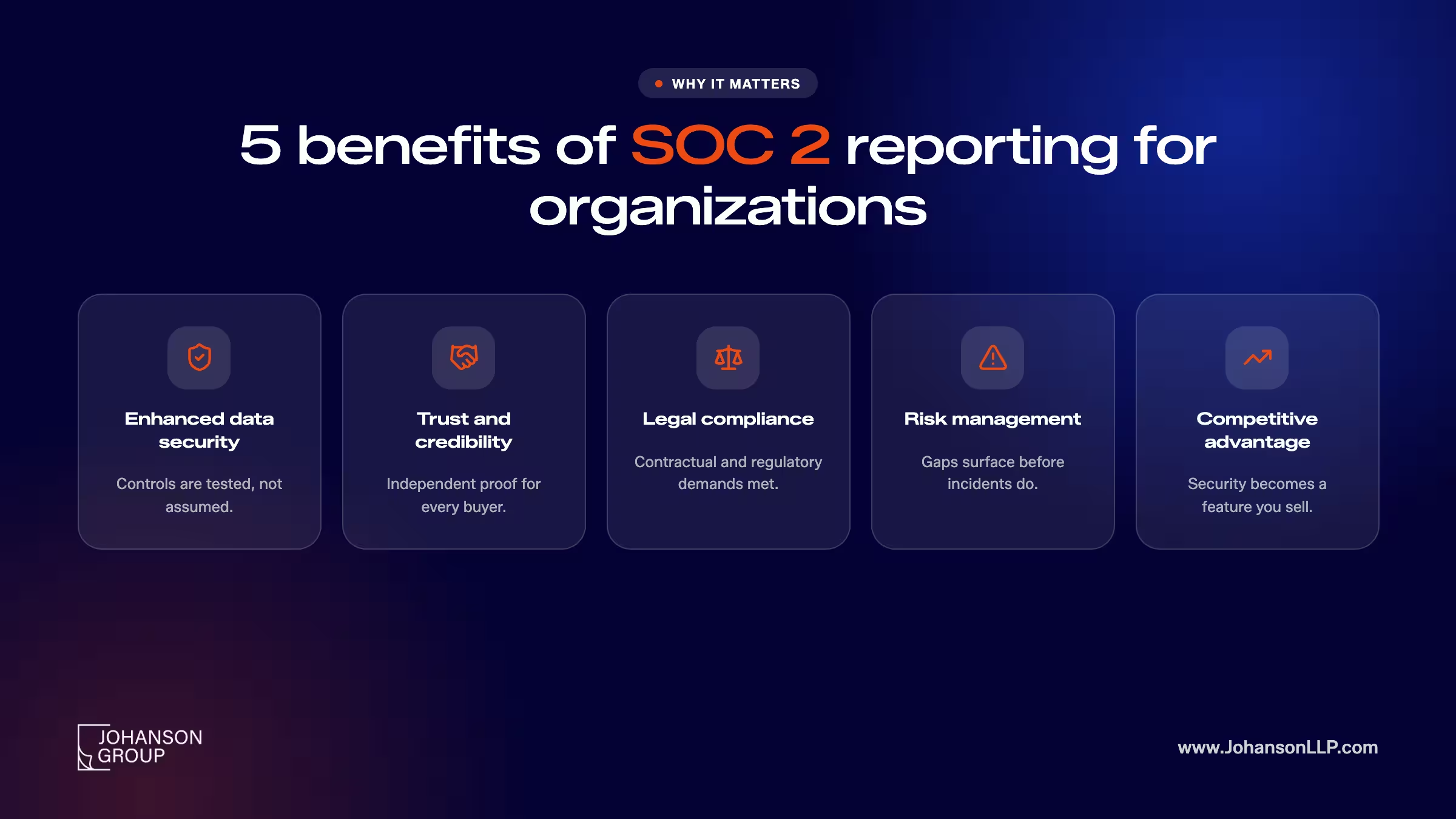
- Enhanced Data Security:
- SOC 2 compliance focuses on the protection of customer data, ensuring that organizations implement robust security measures. By adhering to SOC 2 standards, your organization can fortify its defenses against cyber threats, safeguarding sensitive information from unauthorized access or breaches. Enhanced data security not only protects your customers but also builds trust and credibility in the marketplace.
- Marketplace Trust and Credibility:
- In today's competitive business landscape, gaining the trust of clients and partners is paramount. SOC 2 compliance serves as a testament to your organization's commitment to data security and privacy. When clients know that you have undergone a rigorous SOC 2 audit, they are more likely to trust your services and share sensitive information, fostering stronger business relationships.
- Legal and Regulatory Compliance:
- As data protection regulations become more stringent, organizations must align with legal and regulatory requirements. SOC 2 reporting helps your organization demonstrate compliance with industry-specific regulations and standards. This proactive approach not only minimizes the risk of legal repercussions but also positions your organization as a responsible steward of sensitive information.
- Operational Efficiency and Risk Management:
- SOC 2 reporting involves a thorough assessment of internal controls and processes. This evaluation not only identifies potential vulnerabilities but also highlights areas for improvement. By addressing these shortcomings, organizations can enhance operational efficiency and implement effective risk management strategies. SOC 2 compliance ensures that your organization is well-prepared to face evolving cybersecurity challenges.
- Competitive Advantage:
- In a business landscape where trust and security are paramount, SOC 2 compliance sets your organization apart from competitors. Displaying the SOC 2 certification in marketing materials and communications signals to clients and prospects that you take data security seriously. This competitive advantage can be a decisive factor in winning new business opportunities and retaining existing clients.
Read More about How to Read a SOC 2 Report
In summary, SOC 2 reporting is not only a critical compliance measure but also a strategic investment that can significantly contribute to the enduring success of your organization. From fortifying data security to earning trust in the marketplace, the advantages of SOC 2 compliance are diverse and impactful. By adopting SOC 2 standards, your organization positions itself as a frontrunner in the dynamic realm of data security and privacy.
As you contemplate the transformative benefits of SOC 2 reporting, consider partnering with Johanson Group, a recognized leader in guiding organizations through the complexities of compliance. Our experienced professionals are dedicated to helping you navigate the SOC 2 journey seamlessly. Take the proactive step towards enhanced data security, regulatory compliance, and operational excellence by choosing Johanson Group as your trusted ally in SOC 2 reporting. Your organization's success begins with a commitment to the highest standards of data security – let Johanson Group be your partner in achieving and surpassing those standards.


ISO 27001 Audits: Understanding Stage 1 vs. Stage 2
ISO 27001 Audits: Understanding Stage 1 vs. Stage 2
In the realm of data security and compliance, achieving ISO 27001 certification stands as a hallmark of an organization's commitment to safeguarding information assets. Integral to this certification process are two critical stages: Stage 1 and Stage 2 audits. Let's delve deeper into these key phases and unravel their distinctive roles in the ISO 27001 certification journey.
Understanding ISO 27001 Audits
What is ISO 27001 Certification? ISO 27001 is an internationally recognized standard that outlines the requirements for establishing, implementing, maintaining, and continually improving an information security management system (ISMS) within an organization. This standard helps organizations manage and protect their valuable information assets, ensuring confidentiality, integrity, and availability.
Stage 1 Audit: Laying the Foundation
The Stage 1 audit, often termed the "Documentation Review," serves as an initial assessment of an organization's readiness for ISO 27001 certification. Its primary focus lies in evaluating the organization's ISMS documentation against the requirements of ISO 27001.
Key Aspects of Stage 1 Audit:
- Documentation Evaluation: The audit scrutinizes the organization's documented ISMS, assessing its alignment with ISO 27001 standards. This includes policies, procedures, risk assessment reports, and more.
- Gap Identification: It aims to identify any gaps or inconsistencies within the documentation concerning the ISO 27001 requirements.
- Understanding Context: Assessors aim to comprehend the organization's context, objectives, and scope of the ISMS implementation.
During Stage 1, auditors do not typically review the practical implementation of security measures but focus on verifying the existence and adequacy of the documented ISMS.
Stage 2 Audit: Validation and Verification
The Stage 2 audit, known as the "Main Audit" or "Compliance Audit," dives deeper into the organization's ISMS by evaluating its implementation and effectiveness. This stage involves on-site verification of the ISMS's practical application against ISO 27001 requirements.
Key Aspects of Stage 2 Audit:
- Site Assessment: Auditors either visit the organization's premises phyically or are granted permission to the company's cameras to assess the actual implementation of the ISMS. They verify whether the documented policies and procedures are being effectively put into practice.
- Risk Mitigation Evaluation: The audit scrutinizes the organization's risk management processes, assessing how identified risks are addressed and mitigated.
- Evidence Collection: Auditors gather evidence to confirm the effectiveness and conformity of the ISMS with ISO 27001 standards.
Conclusion: The Path to ISO 27001 Certification
While Stage 1 focuses on documentation evaluation and readiness assessment, Stage 2 validates the practical implementation and effectiveness of the ISMS. Successful completion of both stages, demonstrating compliance with ISO 27001 requirements, paves the way for achieving ISO 27001 certification.
In essence, Stage 1 sets the groundwork, ensuring that the organization's documentation aligns with ISO 27001 standards, while Stage 2 verifies the real-world application and effectiveness of the ISMS. Together, these audits form a robust process leading to ISO 27001 certification, signifying an organization's commitment to maintaining robust information security practices.
For organizations aspiring to attain ISO 27001 certification, understanding the nuances and disparities between Stage 1 and Stage 2 audits is pivotal in navigating the certification journey effectively.
By partnering with Johanson Group, organizations can navigate the complex landscape of ISO 27001 compliance with confidence, ensuring the protection of their valuable data assets in today's digital world.

Unlocking Growth: The Value of SOC 2 Compliance for Startups
Unlocking Growth: The Value of SOC 2 Compliance for Startups
A SOC 2 audit specifically focuses on the controls and processes relevant to security, availability, processing integrity, confidentiality, and privacy of data. For startups, undergoing a SOC 2 audit can significantly bolster their credibility and trustworthiness among clients and investors. It ensures that the company meets the stringent standards required to safeguard sensitive information, a critical aspect in fostering customer trust and securing partnerships.
Startups operating in today's interconnected world must prioritize cybersecurity and compliance. Not only does it shield them from potential liabilities and breaches, but it also fortifies their foundation for growth, assuring stakeholders of their commitment to robust security measures. Johanson Group, LLP's expertise in these audits can guide startups in fortifying their digital infrastructures, thus ensuring a secure and compliant pathway toward success.
Understanding SOC 2 Audits for Startups
What is SOC 2 Compliance?
SOC 2 compliance audits are designed to assess and validate the effectiveness of an organization's controls related to security, availability, processing integrity, confidentiality, and privacy of data. These audits ensure that companies handle sensitive information securely and adhere to industry-recognized standards.
The five trust service criteria evaluated in SOC 2 audit are:
- Security: This criterion examines how well a company protects its systems and data against unauthorized access. It assesses measures like access controls, encryption, and security policies to ensure the overall security posture.
- Availability: It evaluates the organization's ability to ensure that its systems and services are available and operational as agreed upon. This criterion focuses on uptime, resilience against outages, and disaster recovery plans.
- Processing Integrity: This criterion assesses whether the systems in place deliver accurate, complete, and timely processing of data. It ensures that information processing is reliable and maintains its integrity throughout.
- Confidentiality: It examines how the organization safeguards sensitive information from unauthorized access or disclosure. This involves evaluating measures like data encryption, access controls, and confidentiality agreements.
- Privacy: This criterion focuses on the management of personal information in accordance with established privacy commitments and regulations. It assesses how well the organization handles and protects sensitive personal data.
Startups undergoing this kind of audit will be evaluated against these criteria to ensure that they meet the necessary standards for each aspect of data management and security. Adherence to these criteria not only assures stakeholders of a company's commitment to security but also enhances trust and credibility in the digital landscape.
Why SOC 2 Matters for Startups?
By undergoing a SOC 2 audit, startups showcase their adherence to stringent security and operational standards. This not only instills confidence in customers, assuring them that their data is handled with the utmost care and protection, but it also signals to partners and investors that the startup takes data security seriously.
Setting themselves apart from competitors, startups with SOC 2 compliance demonstrate a proactive approach to safeguarding sensitive information. In an era rife with data breaches and cyber threats, having this certification becomes a key differentiator, elevating a startup's credibility and trustworthiness in the eyes of stakeholders.
When seeking funding or partnerships, SOC 2 compliance can be a pivotal factor. Investors are increasingly vigilant about the security posture of the companies they invest in, and having a SOC 2 certificate can significantly enhance a startup's attractiveness. It signifies a commitment to mitigating risks associated with data breaches, potentially influencing investment decisions in favor of the compliant startup.
Moreover, for partnerships and collaborations, especially in industries handling sensitive data, it acts as a prerequisite. It simplifies negotiations, strengthens alliances, and opens doors to opportunities that might otherwise be inaccessible.
In essence, it can serve as a powerful differentiator, a stamp of credibility, and a catalyst for trust-building for startups navigating the competitive landscape, fostering growth, and forging valuable partnerships.
Creating Value through SOC 2 Audits
Enhancing Security Measures
SOC 2 audits act as a spotlight, revealing security weak points for startups. By scrutinizing systems and controls, these audits help identify vulnerabilities, prompting startups to bolster their defenses proactively.
Strong security measures are vital. They protect customer data, preserving trust, and safeguard intellectual property, crucial for maintaining a competitive edge. Additionally, they mitigate the risk of data breaches, averting financial losses, reputation damage, and legal issues.
In essence, SOC 2 audits aid startups in fortifying their defenses, securing customer data and intellectual property, and minimizing the risk of data breaches. This proactive stance toward security is critical for trust and sustained growth.
Gaining Customer Trust and Confidence
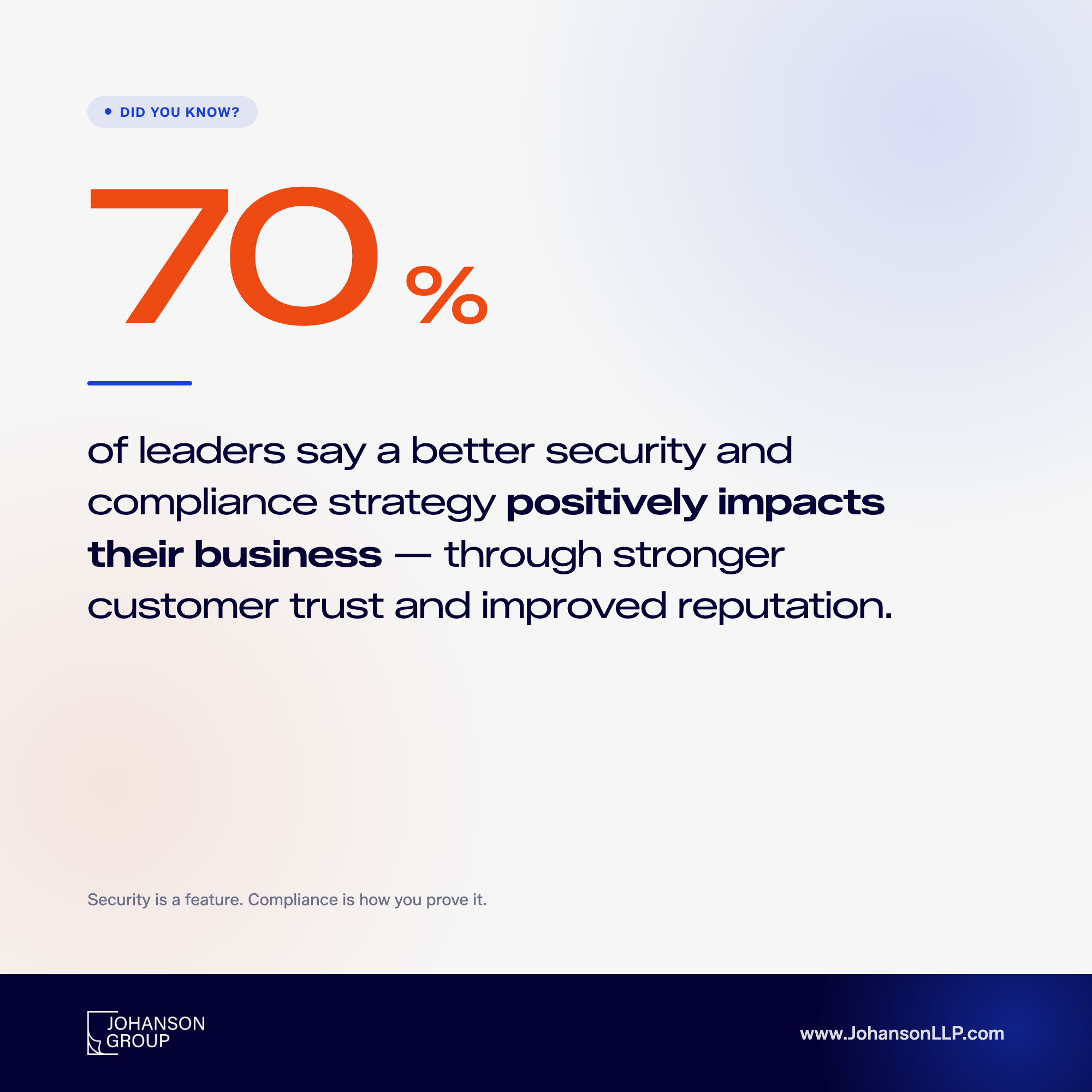
SOC 2 certification significantly boosts customer trust and confidence in startups' offerings. It serves as a testament to a startup's commitment to stringent security standards, assuring customers that their data is handled with utmost care and protection.
Furthermore, it enables startups to attract larger clients who prioritize data security. Many established companies and enterprises mandate SOC 2 compliance as a prerequisite for partnerships or business collaborations. By meeting this requirement, startups expand their market reach and credibility, opening doors to lucrative opportunities with these larger clients.
Improving Internal Processes and Efficiency
SOC 2 audits serve as catalysts for startups to establish well-defined policies, procedures, and controls governing their operations. These audits necessitate a thorough evaluation of existing systems, prompting startups to implement clear and structured frameworks to meet stringent security and operational standards.
The value of these streamlined processes is multifaceted. Firstly, they enhance operational efficiency by providing a clear roadmap for tasks and activities. Well-defined policies and procedures ensure that everyone within the startup understands their responsibilities, minimizing confusion and delays. This streamlined approach fosters smoother workflows and quicker decision-making, ultimately optimizing operational efficiency.
Secondly, these structured controls reduce the likelihood of errors or oversights. By setting clear guidelines and protocols, startups can mitigate risks associated with human error or inconsistent practices. This proactive approach helps in preventing mistakes that could potentially compromise security or operational integrity.
Overall, the disciplined policies, procedures, and controls not only ensure compliance but also foster operational efficiency. They create a solid foundation for startups, promoting smoother operations, reducing errors, and enhancing overall performance..
Overcoming Challenges for Startups
Addressing Resource Constraints
Navigating resource limitations while pursuing SOC 2 compliance can be challenging for startups, but several strategies can help manage costs and streamline the process:
- Prioritize Requirements: Focus on essential compliance requirements initially. Identify critical areas that need immediate attention and allocate resources accordingly. Start with the most crucial security measures to establish a strong foundation.
- Leverage Cloud-Based Solutions: Cloud-based platforms often offer built-in security measures and compliance tools. Consider utilizing these solutions as they can significantly reduce the burden of implementing and managing security controls, thereby minimizing costs.
- Outsource Specific Tasks: Consider outsourcing certain aspects of the compliance process to specialized firms like Johanson Group, LLP. Outsourcing can be cost-effective as it allows startups to access expertise without the need for hiring full-time staff or investing in extensive training.
- Implement Automation: Automation tools can streamline compliance procedures, saving time and reducing the workload. Automated monitoring and reporting tools can help manage security controls more efficiently.
- Invest in Training and Education: Educate internal teams about compliance requirements and best practices. Training employees can help in ensuring everyone understands their roles and responsibilities, reducing errors and improving compliance readiness.
- Utilize Templates and Resources: Leverage available templates, guides, and resources provided by industry organizations or compliance experts. These resources can help startups develop policies, procedures, and documentation more efficiently.
- Plan for Scalability: Design your compliance approach with scalability in mind. Implement solutions that can grow with your startup, accommodating future needs without significant overhauls.
By adopting a strategic approach, utilizing cost-effective solutions like cloud-based tools, outsourcing where necessary, and leveraging expertise from compliance partners, startups can effectively navigate resource constraints while pursuing SOC 2 compliance. This approach ensures a robust security framework while managing costs and optimizing available resources.
Building a Compliance Culture
Fostering a compliance-oriented culture within a startup is pivotal for maintaining SOC 2 compliance on an ongoing basis. It's not just about meeting standards but ingraining a mindset of security and adherence to protocols across the organization.
Leadership plays a crucial role in setting the tone for compliance. When leaders prioritize and actively support compliance efforts, it sends a strong message throughout the startup. Leaders should communicate the importance of compliance, allocate resources, and demonstrate a commitment to security measures.
Employee engagement is equally vital. Everyone in the startup plays a role in maintaining compliance. Educating and involving employees in compliance efforts through training, regular updates, and open communication channels fosters awareness and accountability.
Encouraging a culture of transparency and accountability empowers employees to take ownership of compliance-related tasks. This includes regularly reviewing and updating policies, promptly reporting potential security risks or breaches, and actively participating in compliance-related activities.
Regular reminders, workshops, and training sessions can reinforce the significance of compliance and keep it at the forefront of everyone's responsibilities. Celebrating compliance milestones and achievements can also reinforce the value placed on maintaining a compliant environment.
Conclusion
Key Takeaways:
- Value Proposition: SOC 2 audits offer startups a competitive edge by showcasing their commitment to robust data security and operational integrity.
- Trust and Credibility: Compliance breeds trust. SOC 2 compliance builds credibility among customers, partners, and investors, setting startups apart in a crowded market.
- Funding Advantage: SOC 2 compliance enhances attractiveness to investors who prioritize cybersecurity and compliance, positioning startups for funding opportunities.
- Operational Efficiency: Compliance drives startups to establish streamlined processes, reducing errors, enhancing efficiency, and fostering growth.
The path to long-term success begins with proactive investment in compliance. Startups safeguard their clients' data, protect their intellectual property, and instill confidence in stakeholders by embracing SOC 2 compliance.
Johanson Group, LLP stands ready to guide startups on this journey. With expertise in SOC 2 compliance, they assist in navigating the complexities, ensuring startups meet stringent security standards.
Take the first step toward a more secure and trusted future. Contact Johanson Group, LLP today and embark on the journey to SOC 2 compliance, fortifying your startup for sustained growth and success. Your commitment to security starts here.

What is ISO 27001? A Comprehensive Guide to Compliance
What is ISO 27001? A Comprehensive Guide to Compliance
Understanding ISO 27001
ISO 27001 is an internationally recognized standard for information security management systems (ISMS). It provides a framework that organizations can follow to establish, implement, maintain, and continually improve their information security practices. The standard is designed to help organizations protect the confidentiality, integrity, and availability of their information assets, ensuring that they are secure from unauthorized access, alteration, or destruction.
ISO 27001 is based on a risk management approach, which means that organizations must identify and assess the risks to their information assets and then implement appropriate controls to mitigate those risks. The standard also emphasizes the importance of a systematic and proactive approach to information security, requiring organizations to establish clear policies, procedures, and processes for managing information security risks.
Implementing ISO 27001 can be a complex and time-consuming process without the right organization to help you, but the benefits of compliance far outweigh the effort involved. By achieving ISO 27001 certification, organizations can demonstrate to their stakeholders, customers, and partners that they take information security seriously and have implemented robust controls to protect their sensitive information.
ISO 27001 Compliance - Key Components
ISO 27001 compliance involves several key components that organizations must address to meet the requirements of the standard. These components include:
- Information Security Policy: Organizations must establish an information security policy that sets out their commitment to information security and provides a framework for establishing and reviewing information security objectives.
- Risk Assessment: Organizations must conduct a formal risk assessment to identify and assess the risks to their information assets. This involves identifying the assets, determining their value, and assessing the threats and vulnerabilities that could impact their confidentiality, integrity, or availability.
- Risk Treatment: Once the risks have been identified and assessed, organizations must implement appropriate controls to mitigate those risks. This may involve implementing technical, organizational, or procedural controls, depending on the nature of the risks.
- Management Support: Top management must demonstrate their commitment to information security by providing the necessary resources and support for the implementation and maintenance of the ISMS.
- Training and Awareness: Organizations must ensure that their employees are aware of the importance of information security and are trained to perform their roles and responsibilities in a secure manner.
- Monitoring and Measurement: Organizations must establish a process for monitoring and measuring the performance of their ISMS to ensure that it is effective and continually improving.
The Importance of ISO 27001 Compliance
ISO 27001 compliance is of utmost importance in today's digital age, where organizations are faced with increasing threats to their information security. Cyberattacks, data breaches, and other security incidents can have severe consequences for organizations, including financial losses, damage to reputation, and legal and regulatory penalties.
By implementing ISO 27001, organizations can establish a robust framework for managing information security risks and protecting their sensitive information. The standard provides a systematic and proactive approach to information security, ensuring that organizations are well-prepared to prevent, detect, and respond to security incidents.
ISO 27001 compliance also helps organizations build trust and confidence with their stakeholders, customers, and partners. By achieving certification, organizations can demonstrate that they have implemented internationally recognized best practices for information security and are committed to protecting their stakeholders' information.
Types of Organizations that Need ISO 27001
ISO 27001 is applicable to organizations of all sizes, sectors, and industries. Any organization that handles sensitive information, whether it's customer data, intellectual property, or financial information, can benefit from implementing ISO 27001.
Some examples of organizations that may need ISO 27001 include:
- Small and Medium-sized Enterprises (SMEs) handling sensitive data: SMEs often lack robust cybersecurity measures. ISO 27001 helps them establish a structured framework to identify, manage, and protect sensitive information, enhancing their credibility and competitiveness.
- Large corporations with complex information systems: Complex systems require comprehensive security measures. ISO 27001 provides a systematic approach to manage risks and ensure the security of vast amounts of data within these organizations.
- Government agencies and public sector organizations: These entities deal with a wealth of sensitive information. ISO 27001 compliance helps in securing government data, protecting citizen information, and ensuring the integrity of critical systems and infrastructure.
- Financial institutions and healthcare providers: These sectors handle highly sensitive personal data. ISO 27001 assists in safeguarding financial transactions, patient records, and ensuring compliance with regulatory requirements such as HIPAA or GDPR.
- Organizations dealing with personal data and private information: Any entity handling personal or private information—be it customer data, intellectual property, or proprietary information—can benefit from ISO 27001 compliance to protect this sensitive data from breaches and unauthorized access.
Steps to achieve ISO 27001 compliance
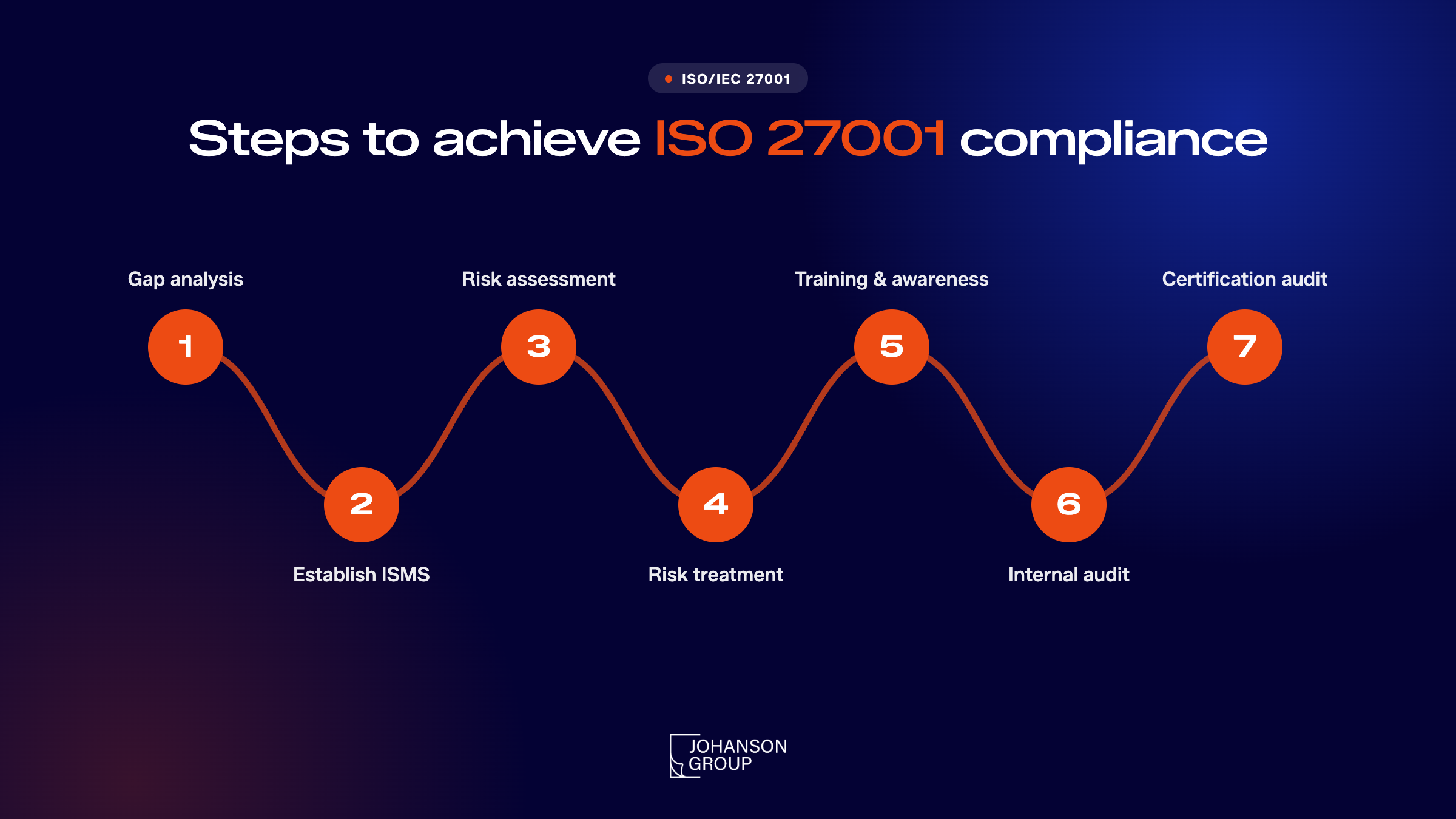
Achieving ISO 27001 compliance requires a systematic and structured approach. Here are the key steps involved in implementing an ISMS and obtaining ISO 27001 certification:
- Gap Analysis: Conduct a gap analysis to determine the organization's current state of information security and identify the areas that need improvement to meet the requirements of ISO 27001.
- Establish the ISMS: Develop and implement the necessary policies, procedures, and processes to establish the ISMS. This includes defining the scope of the ISMS, identifying the information assets, and establishing risk assessment and risk treatment processes.
- Risk Assessment: Conduct a formal risk assessment to identify and assess the risks to the organization's information assets. This involves identifying the assets, determining their value, and assessing the threats and vulnerabilities that could impact their confidentiality, integrity, or availability.
- Risk Treatment: Implement appropriate controls to mitigate the identified risks. This may involve implementing technical, organizational, or procedural controls, depending on the nature of the risks.
- Training and Awareness: Ensure that all employees are aware of the information security policies and procedures and are trained to perform their roles and responsibilities in a secure manner.
- Internal Audit: Conduct regular internal audits to assess the effectiveness of the ISMS and identify areas for improvement.
- Certification Audit: Engage an accredited certification body to conduct an independent audit of the organization's ISMS. If the organization meets the requirements of ISO 27001, it will be awarded certification.
Benefits of ISO 27001 compliance
ISO 27001 compliance offers numerous benefits for organizations, including:
- Enhanced Information Security: ISO 27001 provides a systematic and proactive approach to information security, helping organizations identify and mitigate risks to their information assets. By implementing ISO 27001, organizations can enhance their information security posture and protect their sensitive information from unauthorized access, alteration, or destruction.
- Compliance with Regulatory Requirements: ISO 27001 helps organizations comply with various legal, regulatory, and contractual requirements for information security. By achieving ISO 27001 certification, organizations can demonstrate to regulators, customers, and partners that they have implemented robust controls to protect sensitive information.
- Improved Reputation and Trust: ISO 27001 certification is a globally recognized symbol of an organization's commitment to information security. By achieving certification, organizations can build trust and confidence with their stakeholders, customers, and partners, enhancing their reputation in the market.
- Competitive Advantage: ISO 27001 certification can differentiate organizations from their competitors and provide a competitive advantage. By demonstrating that they have implemented internationally recognized best practices for information security, organizations can attract new customers, win contracts, and expand their business.
- Continuous Improvement: ISO 27001 requires organizations to establish a process for monitoring and measuring the performance of their ISMS. This enables organizations to identify areas for improvement and take proactive measures to enhance their information security practices continually.
ISO 27001 Compliance Audits by Johanson Group
At Johanson Group, LLP, we specialize in conducting ISO 27001 compliance audits to help organizations achieve certification. Our team of experienced auditors has in-depth knowledge of the ISO 27001 standard and can guide organizations through the certification process.
Our audit methodology is based on a collaborative approach, working closely with organizations to assess their information security practices and identify areas for improvement. We provide practical recommendations and guidance to help organizations implement the necessary controls and achieve ISO 27001 compliance.
Contact Johanson Group, LLP today to begin your ISO 27001 certification journey and ensure the information security of your organization.
SaaS Infrastructure: Best Practices for ISO 27001 Compliance
SaaS Infrastructure: Best Practices for ISO 27001 Compliance
SaaS infrastructure is a critical component of business operations. However, with the increased use of SaaS comes a higher risk of cyber-attacks and data breaches. It is crucial to secure your SaaS infrastructure to protect your data, meet regulatory requirements, and maintain the trust of your clients.
In this blog, we will explore the key strategies to secure your SaaS infrastructure and achieve ISO 27001 compliance. We will cover the importance of developing a robust security framework, conducting regular security audits and penetration testing, implementing access controls, encrypting data, and conducting employee training.
Key Takeaways:
- Securing SaaS infrastructure is crucial to protect your data and maintain the trust of your clients.
- ISO 27001 compliance is an internationally recognized standard for information security management systems.
- Developing a security framework is essential to achieve ISO 27001 compliance.
- Conducting regular security audits and penetration testing can identify vulnerabilities and ensure the ongoing security of your SaaS infrastructure.
- Implementing access controls, encrypting data, and conducting employee training are critical components of securing your SaaS infrastructure.
Understanding SaaS Infrastructure
Before implementing best practices for securing your SaaS infrastructure, it is essential to have a clear understanding of what SaaS infrastructure entails. SaaS, or Software as a Service, is a cloud-based software delivery model in which a third-party provider hosts applications and makes them available to customers through the internet.
Compared to traditional software delivery models, SaaS offers several advantages, including:
- Flexibility and scalability;
- Reduced costs and increased efficiency;
- Automatic updates and maintenance.
However, SaaS infrastructure also has unique security challenges that organizations must address to protect their data and ensure compliance with relevant regulations.
The components of SaaS infrastructure can differ depending on the software and provider; however, common components include:
Each layer has specific functionalities and risks that must be addressed to ensure the security of the SaaS infrastructure. Understanding these components, their interdependencies, and the risks associated with them is essential for implementing effective security measures.
ISO 27001 Compliance: An Overview
ISO 27001 is an internationally recognized standard for information security management systems (ISMS). Achieving ISO 27001 compliance demonstrates an organization's commitment to protecting their information assets, including data, systems, and networks, against various threats.
The standard covers a wide range of security measures, including data confidentiality, integrity, and availability, risk assessment and management, access controls, and incident management. By complying with these requirements, organizations can mitigate the risk of data breaches, cyber-attacks, and other security incidents.
Benefits of ISO 27001 Compliance
There are several benefits of ISO 27001 compliance for organizations that adopt it.
- Better risk management: ISO 27001 provides a systematic approach to risk management, enabling organizations to identify, analyze, and evaluate potential security threats and vulnerabilities.
- Increased customer confidence: Achieving ISO 27001 compliance demonstrates an organization's commitment to security and provides assurance to customers that their data is being protected.
- Legal compliance: Many industries and jurisdictions require adherence to specific data protection regulations. ISO 27001 compliance can help organizations meet these requirements and avoid legal penalties.
- Improved processes and efficiency: Compliance with the standard requires organizations to establish and maintain robust security practices and procedures, which often leads to improved efficiency and streamlined processes.
Implementing ISO 27001
Implementing ISO 27001 requires a structured approach to information security management. Organizations must establish an ISMS that includes the following elements:
- Policy: Developing an information security policy that defines the organization's security objectives, goals, and relevant regulatory and legal requirements.
- Risk assessment: Conducting a risk assessment to identify potential security threats and vulnerabilities.
- Controls: Implementing appropriate security controls to mitigate identified risks and vulnerabilities.
- Training and awareness: Providing training and awareness programs to educate employees and stakeholders on information security policies and procedures.
- Performance evaluation: Monitoring and evaluating the ISMS to ensure ongoing effectiveness.
By following these steps, organizations can establish a comprehensive and effective ISMS that aligns with ISO 27001 requirements and provides a robust defense against security threats.
Developing a Security Framework
Developing a robust security framework is a crucial step in achieving SaaS compliance with ISO 27001. A security framework comprises a comprehensive set of policies, procedures, and controls that align with the ISO 27001 requirements.
The first step in developing a security framework is to identify the assets that require protection. These could include sensitive data, intellectual property, or hardware. Once you have identified the assets, you can then formulate security policies and procedures that align with ISO 27001 requirements.
It is essential to involve all stakeholders in the development of the security framework, including senior management, IT staff, and end-users. By involving all stakeholders, you can ensure that the security framework is comprehensive and aligned with the needs of your business.
Tip: When developing your security framework, document all policies and procedures in a centralized location. This will ensure that everyone in your organization has access to the latest security guidelines and that policy changes are implemented consistently.
Conducting Regular Security Audits and Penetration Testing
Regular security audits and penetration testing are essential to identify vulnerabilities and ensure the ongoing security of your SaaS infrastructure. With the ever-evolving threat landscape, it is critical to stay vigilant and proactive in identifying potential risks to your infrastructure.
During a security audit, you should review the existing security controls and policies to ensure they are still effective and up to date. You should also assess any emerging threats and determine whether or not your security measures are sufficient to mitigate the risks.
Penetration testing, on the other hand, involves simulating an attack on your SaaS infrastructure to identify any weaknesses or vulnerabilities. This process helps you understand how an attacker might exploit the system and what measures need to be taken to prevent such an attack.
With regular security audits and penetration testing, you can identify potential security risks, assess the effectiveness of your security measures, and develop a plan to mitigate any identified weaknesses. By conducting these activities, you can stay one step ahead of potential threats and maintain the security of your SaaS infrastructure.
Ensuring Data Backups and Disaster Recovery
Ensuring data backups and disaster recovery planning are essential for maintaining the security and integrity of your SaaS infrastructure. Data loss can occur due to various reasons like cyber-attacks, natural disasters, or human error. Therefore, it is crucial to have a robust backup plan that ensures data protection and business continuity.
Data backups should be performed regularly, either daily or weekly, depending on the amount and criticality of your data. Additionally, the data backup system must be secured with advanced encryption techniques to protect sensitive data from unauthorized access.
In case of a disaster, a disaster recovery plan must be in place to ensure business continuity. The disaster recovery plan should include a detailed recovery process that outlines how data will be restored and the steps to be taken for business continuity.
Overall, ensuring data backups and disaster recovery is crucial for maintaining the security of your SaaS infrastructure and complying with saas compliance standards. By following the best practices outlined in this guide, you can ensure the protection and availability of your data even in the face of unforeseen events.
Employee Training and Awareness
Employee training and awareness are essential components of maintaining SaaS compliance. Your employees are the first line of defense against cybersecurity threats, and their level of knowledge and understanding can significantly impact the security of your infrastructure. It is crucial to ensure that all employees are aware of the risks and threats to your SaaS infrastructure and are equipped with the knowledge to detect and report potential security incidents.
The Importance of Training
Training is the cornerstone of an effective SaaS compliance program. It provides employees with the knowledge and skills they need to recognize and respond to security threats, as well as the confidence to take appropriate action. Regular training sessions also help to reinforce the importance of SaaS compliance throughout the organization and keep employees up to date with the latest security best practices and threats.
Topics to Cover in Training
When developing training programs for SaaS compliance, it is crucial to cover key topics to ensure employees are equipped with the necessary knowledge. These topics may include:
- Overview of SaaS compliance and its importance
- Company security policies and procedures
- Types of security threats and how to recognize them
- How to respond to security incidents
- Proper data handling and storage practices
- Secure password management
- Maintaining device security
It is also essential to tailor training programs to different roles and responsibilities within the organization. For example, IT staff may require more advanced training on network security and incident response, while employees handling sensitive data may need more training on data protection and privacy.
Raising Awareness
Raising awareness among employees is just as important as providing training. Awareness campaigns can help to reinforce the importance of SaaS compliance and make employees more vigilant about potential security threats. These campaigns may include email updates, posters, and other visual aids to remind employees about the importance of security best practices.
Remember, cybersecurity is everyone's responsibility. By staying vigilant and following best practices, you can help protect our SaaS infrastructure and safeguard our data.
Conclusion
Securing your SaaS infrastructure and achieving ISO 27001 compliance is crucial for maintaining the trust of your clients and protecting your data. By following the best practices outlined in this guide, you can ensure the security and integrity of your SaaS infrastructure.
Remember, understanding SaaS infrastructure is the first step in developing a robust security framework. Conducting regular risk assessments, implementing multi-factor authentication, and conducting security audits and penetration testing are essential to identify vulnerabilities and minimize security risks. Additionally, ensuring data backups and disaster recovery planning, and training employees to raise awareness of security risks, are crucial components of maintaining a secure SaaS infrastructure.
Implementing access controls and encrypting data in transit and at rest are also essential measures to protect sensitive data within your SaaS infrastructure.
Services


