


Resources
Articles
Practical guides and industry updates to help your organization stay secure and compliant in a digital-first world.

Understanding Compliance vs. Security
Understanding Compliance vs. Security
Compliance Doesn’t Make You Secure
"I own a treadmill, so I must be fit." Sounds a bit off, right? We all know that just having a treadmill doesn’t mean you’re healthy—you need to actually use it consistently and in the right way.
Now imagine this: "We passed our compliance assessment, so we must be secure." Sound familiar?
The Compliance Checklist Trap
Let’s break it down:
- Bought a treadmill
- Set it up in a good spot
- Wearing activewear
- Use it for 60 minutes a day
And yet…why am I still overweight?
Compliance works the same way:
- Installed firewalls
- Implemented access controls
- Documented procedures
- Passed the assessment
So why are breaches still happening? Why do we still face risks?
Compliance is Just the Starting Line
Here’s the thing: compliance gives you a framework to follow-a baseline to ensure you’re covering critical areas. But that’s like buying the treadmill and setting it up in your living room. Great that it’s there, but the real work starts when you decide to use it everyday.
Compliance, like PCI DSS, SOC 2, or ISO 27001, is essential, but it’s a one-size-fits-all approach. Built by committees, compliance standards go through reviews and updates, and that takes time. It gets everyone on the same page, but it doesn’t keep up with every new threat.
Security needs to be agile. It’s about understanding your unique risks and responding in real time. It’s adapting faster than the attackers.
Beyond Checking Boxes
To truly be secure, you have to think beyond the compliance checklist. Security means using those compliance standards as tools to build something bigger-something that protects your organization based on its specific needs and risks.
It’s like getting fit: everyone’s fitness routine is different, based on their individual goals and health. Good security is the same-it must be tailored to fit the organization, not just meet a minimum requirement.
If your focus is only on passing the compliance test, you’re missing the bigger picture-just like the person who thinks owning a treadmill is enough to get in shape.
Get Up And Get Going
So, let me ask you: Is your organization’s goal to be compliant, or to be secure?
It can be both, but it takes more. Compliance is just the start. It’s the treadmill-it’s there to help you. But if you want real protection, You need to put in the work.
Your business deserves more than just passing an assessment. It deserves resilience, adaptability, and true security in a constantly evolving risk landscape.
Use compliance as the launchpad. Let’s get truly fit-secure-and not just settle for looking the part.
Compliance Starts Here
Passing an assessment is just the beginning—real security requires ongoing effort and strategy. Let’s make sure your organization is not just compliant, but truly secure. Schedule a call with our experts today to discuss your compliance needs and build a stronger security posture.

Choosing the Right QSA for Your Business: A Practical Guide
Choosing the Right QSA for Your Business: A Practical Guide
Feeling overwhelmed by PCI DSS? You’re not alone. It’s not just about checking boxes anymore—it’s about building a culture of security that works for your business, without driving you up the wall. One of the most important decisions you’ll make on this journey is picking the right Qualified Security Assessor (QSA). Let’s break down how to do that in a way that feels less like navigating a minefield and more like building a partnership.
What Does a QSA Really Do in PCI DSS v4.0?
A QSA isn’t just there to validate compliance—they’re the person in your corner, helping you understand what’s changed, why it matters, and how to adapt. PCI DSS v4.0 brings in new options like customized approaches, which means you need a QSA who can do more than read from a rulebook. They need to get your business and guide you to make decisions that make sense for you.
Key Factors When Choosing Your QSA
- Real-World Experience with PCI DSS v4.0
- It’s not enough for a QSA to have done this work before—they need to have done it in the context of the new version. PCI DSS v4.0 has brought new flexibility but also new requirements, like stricter expectations for documenting security practices. You need someone who’s keeping pace with these updates and knows how to implement them practically.
- Knowledge of Your Industry
- Every business is different. The challenges a retail shop faces are not the same as those for a tech startup. You need a QSA who gets the specific risks and quirks of your industry. They should be able to give examples that relate directly to what you do, so you’re not left guessing how to apply their advice.
- Track Record and Reputation
- Talk to others who have worked with them. Are they respected? Do they deliver on their promises? This isn’t about picking the biggest name—it’s about finding someone who does the work thoroughly, on time, and with your team’s needs in mind.
- Their Approach to Compliance
- You don’t want someone who’s so rigid they forget you’re trying to run a business here. On the other hand, you don’t want someone too relaxed about the rules, either. Look for a QSA who strikes a balance—someone who understands the importance of security without insisting you overhaul everything when a smarter tweak will do.
- Communication That Makes Sense
- Let’s be real: this stuff gets technical fast. If your QSA can’t explain things in a way that makes sense to you, it’s going to be a frustrating experience. They need to listen, answer your questions clearly, and translate “compliance-speak” into everyday language your whole team can grasp.
Steps to Make Your Choice
- Do Your Homework
- Use the resources available from the PCI Security Standards Council to find potential QSAs. Read up on their profiles, check for v4.0 experience, and make a shortlist.
- Ask Questions That Matter
- When you talk to potential QSAs, ask them to walk you through a typical v4.0 engagement. Listen for specifics—you want to know they’ve been through it and can adapt to your environment, not just repeat generalities.
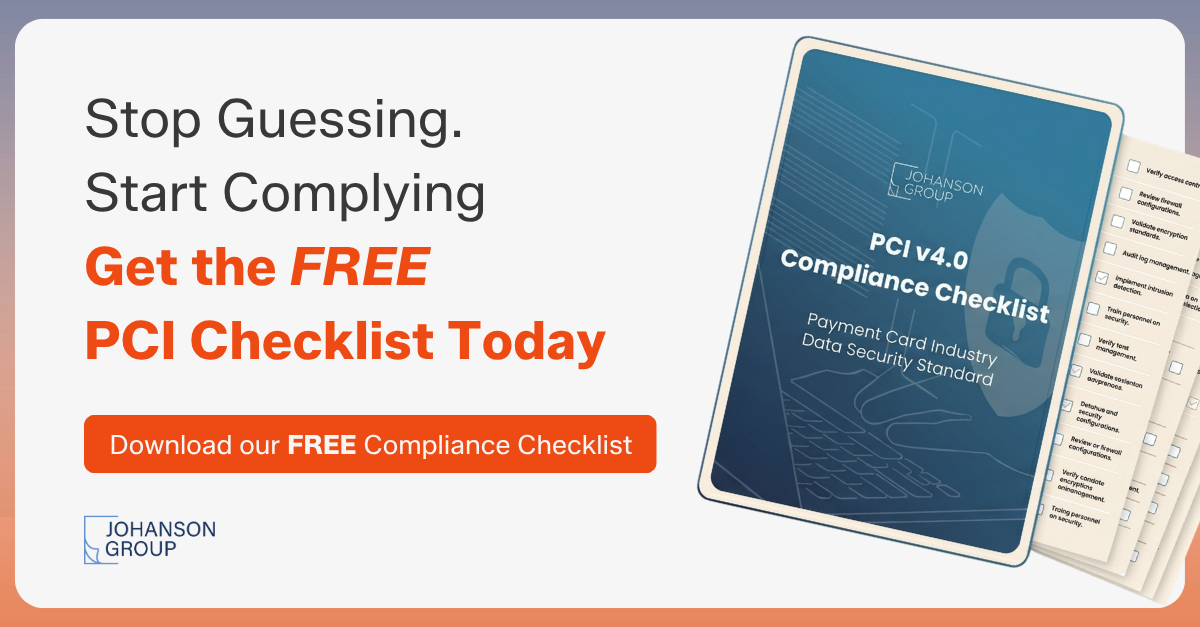
PCI 4.0 Compliance Checklist
Before engaging with a PCI Qualified Security Assessor (QSA), you will want to make sure you have as many items on the following PCI DSS compliance checklist complete as possible. PCI DSS version 4.0 introduces several updates to enhance payment data security.
Conclusion
Picking the right QSA is about more than compliance—it’s about finding a partner who makes the journey to secure payment practices a little less intimidating. The right QSA helps you not just meet the requirements, but also makes sense of them, so they fit into how you do business without derailing everything else. Take the time to choose someone who gets you, speaks your language, and can help you achieve real Security.

Self-Attestation or Use an Auditor: What’s Best for Compliance?
Self-Attestation or Use an Auditor: What’s Best for Compliance?
Security and compliance are more important now than ever. Whether you’re dealing with HIPAA, GDPR, NIST, or CCPA, ensuring your organization is compliant with regulations can make or break trust with your customers and partners. A question that often comes up when considering compliance is should I pursue self-attestation or enlist an independent auditor?
What is Self-Attestation?
Self-attestation is when your organization assesses internally its compliance with a specific framework like HIPAA or GDPR and documents its findings. While it can save costs upfront by eliminating the need for an external auditor, self-attestation can have some drawbacks.
- Lack of Third-Party Validation: If you don’t have independent verification, stakeholders and partners might question the accuracy of your self-attestation.
- Limited Leverage with Stakeholders: Reports that are self-attested may not carry the same weight during conversations with clients and vendors.
- Unintended Gaps: Teams who assess internally may overlook potential gaps or areas for improvement due to lack of specific expertise in the framework or bias.
Why an Auditor Adds Value
On the other side of the coin, using an independent auditor provides certainties like an unbiased, expert assessment of your organization’s compliance posture. While it may have higher upfront costs, the benefits outweigh the cost of reliability and peace of mind.
Key benefits of using an external auditor include:
- Independent Validation: An auditor can provide an objective review of your organization’s adherence to any framework like SOC, ISO, HIPAA, or GDPR.
- Stronger Customer Confidence: Clients and partners will feel more confident knowing that a certified auditor has verified your organization’s compliance measures.
- Actionable Insights: Auditors not only identify potential gaps, but they also provide recommendations for improvement.
- Audit-Backed Reports: Having an official audit report adds credibility to your security posture, which can be an incredibly useful tool when negotiating with potential clients.
The Difference in Reports: Self-Attestation vs. Auditor Reports
While both reports can be useful in many circumstances, there is a stark difference between the two. A self-attested report is usually a high-level document that has been prepared internally and has the potential to not include important detailed evidence or testing. On the other hand, an auditor's report will include thorough documentation of the tests performed, findings, recommendations and certifications. Because of the detailed nature it enhances every claim with definable evidence.
This level of depth gives stakeholders confidence in the organization’s security and compliance. With an external audit report, your organization can say “Here’s proof, verified by experts, that we meet specific standards of security.” This can be invaluable to closing deals, renewing contracts, or simply reassuring your customers data is safe.
Choose Johanson Group for All Things Compliance
It can be extremely tempting to save costs by internally attesting your own organization, the long-term value of an audit-backed report will always outweigh the cost difference. Not only will it enhance your reputation, but it will provide your organization with a new level of transparency and assurance that is hard to match with self-attestation. In today’s world where security and trust are most important, it’s worth considering the added peace of mind that comes with an external auditor.
At Johanson Group, we specialize in delivering comprehensive audit and assurance for all major security frameworks like SOC, ISO, PCI, HIPAA, GDPR, and CCPA. Our audit-backed reports not only ensure compliance, but help you build lasting trust with clients and stakeholders.

ISO 27001 vs ISO 42001: A Comprehensive Comparison
ISO 27001 vs ISO 42001: A Comprehensive Comparison
ISO standards play a crucial role in helping organizations achieve excellence in various aspects of their operations. This article explores and compares two significant ISO standards: ISO 27001, which focuses on information security management, and ISO 42001, which centers around improving an Artificial Intelligence Management System (AIMS) within organizations.. We will examine their objectives, implementation processes, and how they can complement each other to benefit organizations.
Understanding ISO 27001
What is ISO 27001?
ISO 27001 is an internationally recognized standard for Information Security Management Systems (ISMS). It provides a comprehensive framework that helps organizations manage and protect their information assets, ensuring data confidentiality, integrity, and availability. This standard is particularly valuable for organizations that handle sensitive data, such as financial institutions, healthcare providers, and tech companies. For a detailed overview of ISO 27001, you can visit the official ISO website.
Core Focus: Information Security Management
ISO 27001 primarily focuses on safeguarding an organization’s data through a structured approach to risk management. This includes identifying potential security risks, implementing controls to mitigate those risks, and continuously monitoring and improving the ISMS. The standard ensures that organizations not only comply with legal and regulatory requirements but also build a robust defense against cyber threats and data breaches.
Key Components of ISO 27001
ISO 27001 compliance involves several key components that organizations must address to meet the requirements of the standard. These components include:
- Information Security Policy: Organizations must establish an information security policy that sets out their commitment to information security and provides a framework for establishing and reviewing information security objectives.
- Risk Assessment: Organizations must conduct a formal risk assessment to identify and assess the risks to their information assets. This involves identifying the assets, determining their value, and assessing the threats and vulnerabilities that could impact their confidentiality, integrity, or availability.
- Risk Treatment: Once the risks have been identified and assessed, organizations must implement appropriate controls to mitigate those risks. This may involve implementing technical, organizational, or procedural controls, depending on the nature of the risks.
- Management Support: Top management must demonstrate their commitment to information security by providing the necessary resources and support for the implementation and maintenance of the ISMS.
- Training and Awareness: Organizations must ensure that their employees are aware of the importance of information security and are trained to perform their roles and responsibilities in a secure manner.
- Monitoring and Measurement: Organizations must establish a process for monitoring and measuring the performance of their ISMS to ensure that it is effective and continually improving.
READ MORE: What is ISO 27001? A Comprehensive Guide to Compliance
Understanding ISO 42001
What is ISO 42001?
In today's rapidly evolving technological landscape, the importance of standardization in managing and securing artificial intelligence (AI) systems cannot be overstated. ISO 42001 is an international standard that provides a comprehensive framework for organizations to implement effective Artificial Intelligence Management Systems (AIMS). This standard ensures that AI technologies are developed, deployed, and managed in a manner that is consistent, secure, and ethical.
Core Focus: Artificial Intelligence Management Systems (AIMS)
The core focus of ISO 42001 lies in establishing robust guidelines for Artificial Intelligence Management Systems (AIMS). As AI continues to integrate into various industries, the need for a standardized approach to managing these systems has become critical. ISO 42001 addresses this need by setting out the requirements for organizations to ensure that their AI systems operate reliably, safely, and in alignment with ethical principles.
AIMS under ISO 42001 covers a broad range of areas, including risk management, compliance, transparency, and continuous improvement. By adhering to these guidelines, organizations can mitigate risks associated with AI, enhance decision-making processes, and foster trust among stakeholders.
Key Components of ISO 42001
ISO 42001 outlines several key components that organizations must focus on when implementing an Artificial Intelligence Management System. These components include:
- Risk Management: Identifying, assessing, and mitigating risks associated with AI technologies. This involves ensuring that AI systems do not introduce vulnerabilities or unintended consequences.
- Compliance and Legal Considerations: Ensuring that AI systems comply with relevant laws, regulations, and ethical standards. This includes adherence to data protection laws and respecting user privacy.
- Transparency and Accountability: Establishing processes for documenting and explaining AI decision-making processes. Transparency is crucial for building trust and ensuring that AI outcomes can be audited and validated.
- Continuous Improvement: Implementing mechanisms for the ongoing evaluation and improvement of AI systems. This includes monitoring performance, updating algorithms, and incorporating feedback to enhance system effectiveness.
- Ethical AI Practices: Ensuring that AI systems align with ethical principles, such as fairness, non-discrimination, and respect for human rights. ISO 42001 emphasizes the importance of designing AI systems that contribute positively to society.
Primary Objectives of ISO 27001
Data Confidentiality, Integrity, and Availability
The primary objective of ISO 27001 is to ensure the confidentiality, integrity, and availability of an organization’s data. This is achieved through a systematic approach to managing sensitive information, identifying potential threats, and implementing security controls. By adhering to ISO 27001, organizations can protect their data from unauthorized access, breaches, and other security incidents.
Risk Assessment and Management Strategies
Risk management is at the core of ISO 27001. Organizations are required to conduct thorough risk assessments to identify vulnerabilities in their information systems. Based on these assessments, appropriate controls are selected and implemented to mitigate identified risks. This proactive approach helps organizations stay ahead of potential threats and maintain a strong security posture.
Compliance with Legal and Regulatory Requirements
ISO 27001 also helps organizations comply with legal and regulatory requirements related to information security. This is particularly important in industries such as finance, healthcare, and government, where data protection is heavily regulated. By achieving ISO 27001 certification, organizations demonstrate their commitment to safeguarding sensitive information and complying with relevant laws.
Primary Objectives of ISO 42001
Enhancing Trust Through Transparency and Accountability
One of the core objectives of ISO 42001 is to enhance trust between organizations and their stakeholders—be it customers, partners, or regulatory bodies. Trust is paramount when dealing with AI systems, as these technologies often make decisions that significantly impact individuals and organizations.
ISO 42001 fosters transparency by requiring organizations to document and explain AI decision-making processes. This transparency allows stakeholders to understand how AI systems arrive at specific outcomes, making it easier to validate and audit these processes. By holding organizations accountable for the actions of their AI systems, ISO 42001 ensures that AI technologies are used responsibly, which in turn builds trust and confidence in the systems' outputs.
Ensuring Safety and Security in AI Systems
Another primary objective of ISO 42001 is to ensure the safety and security of AI systems. AI technologies have the potential to introduce new risks, including security vulnerabilities and unintended consequences. If not managed properly, these risks can lead to significant harm, both to individuals and to society at large.
ISO 42001 provides a framework for identifying, assessing, and mitigating risks associated with AI systems. This includes implementing rigorous risk management processes that safeguard against potential threats and vulnerabilities. By ensuring that AI systems are secure, reliable, and operate within defined safety parameters, ISO 42001 helps organizations prevent adverse outcomes and protect sensitive information from breaches or misuse.
Promoting Ethical AI Practices
The third primary objective of ISO 42001 is to promote the development and deployment of AI systems that adhere to ethical principles. As AI technologies become more integrated into decision-making processes, the ethical implications of these systems become increasingly significant.
ISO 42001 emphasizes the importance of designing AI systems that align with ethical standards such as fairness, non-discrimination, and respect for human rights. This includes ensuring that AI technologies do not reinforce biases or cause harm to marginalized communities. By promoting ethical AI practices, ISO 42001 encourages organizations to create AI systems that contribute positively to society, ensuring that the benefits of AI are realized without compromising ethical values.
Why Choose Johanson Group LLP for ISO Certifications?
When it comes to obtaining ISO certifications, partnering with a reliable and experienced certification body is crucial. Johanson Group LLP stands out as a leader in ISO certification services, offering comprehensive support throughout the certification process. Here’s why you should choose Johanson Group LLP for your ISO 27001 and ISO 42001 certifications:
- Expertise and Experience: With years of experience in ISO certifications, Johanson Group LLP has the expertise to guide organizations through the complexities of ISO 27001 and ISO 42001. Their team of professionals is well-versed in the latest standards and best practices, ensuring a smooth certification process.
- Tailored Solutions: Johanson Group LLP understands that each organization is unique. They offer tailored solutions that address specific organizational needs and goals, whether you are focused on information security or Artificial Intelligence systems.
- High Success Rate: Johanson Group LLP has a proven track record of helping organizations achieve ISO certification. Their high success rate is a testament to their commitment to quality and client satisfaction.
- Comprehensive Support: From initial assessment to final certification, Johanson Group LLP provides comprehensive support at every stage of the process. This includes training, documentation assistance, and ongoing guidance to ensure continuous compliance.
Common Misconceptions About Security Audits
Common Misconceptions About Security Audits
As data breaches and cyber threats become more prevalent, the significance of security audits grows even more critical. Yet, despite their critical role in safeguarding businesses, several misconceptions surround security audits. These myths can lead to a false sense of security or, worse, leave your business vulnerable to attacks. In this blog, we'll debunk the most common security audit misconceptions and explain why these assessments are essential for businesses of all sizes.
Misconception 1: Security Audits Are Only Necessary for Large Enterprises
One of the most pervasive myths is that only large corporations need to worry about security audits. The reality is quite different. Small and medium-sized businesses (SMBs) are increasingly targeted by cybercriminals because they often lack the robust security measures of larger organizations. A security audit helps identify vulnerabilities in your systems, regardless of your company’s size, and ensures that your business is not an easy target.
Fact: Cyber attackers often see smaller companies as low-hanging fruit. A recent report from Verizon shows that 46% of all cyber breaches impact small and medium-sized businesses.
Misconception 2: Security Audits Are Just About Technology
While it’s true that security audits examine the technical aspects of your IT infrastructure, they are not solely about technology. A comprehensive security audit also assesses your organization’s policies, procedures, and employee behavior. This holistic approach ensures that every potential weak point, whether human or technical, is addressed.
Fact: Human error is a leading cause of security breaches. According to a study by IBM, human error is responsible for 95% of cybersecurity breaches.
READ MORE: Information Security Audits: An Overview of Different Types
Misconception 3: Security Audits Are a One-Time Event
Another common misconception is that security audits are a one-time task. Many business owners believe that once an audit is completed, they’re in the clear. However, the threat landscape is constantly evolving, with new vulnerabilities and attack methods emerging regularly. To maintain a strong security posture, audits should be conducted regularly—ideally, annually or even more frequently, depending on your industry.
Fact: Regular security audits ensure that your security measures keep pace with the latest threats, reducing the risk of breaches over time. The National Cyber Security Centre recommends regular reviews and updates to cybersecurity practices as part of ongoing risk management.
Misconception 4: Security Audits Are Too Expensive
Some businesses shy away from security audits, believing they are too costly. While there is an upfront cost, the investment is minimal compared to the potential financial and reputational damage of a security breach. A security audit can save your business money in the long run by identifying and mitigating risks before they become costly issues.
Fact: The cost of a security audit is a fraction of the potential losses associated with a data breach, including fines, legal fees, and loss of customer trust. IBM's Cost of a Data Breach Report shows that the average cost of a data breach in 2023 was $4.45 million.
Misconception 5: We Passed Our Last Audit, So We’re Safe
Passing a security audit doesn’t mean your business is immune to future threats. Cybersecurity is a moving target—what was secure last year may not be secure today. Complacency can lead to overlooked vulnerabilities, making your business a prime target for cybercriminals.
Fact: Continuously improving your security measures, even after a successful audit, is crucial to staying ahead of potential threats. Gartner reports that emerging threats and changing regulatory environments demand regular updates to cybersecurity practices.
Misconception 6: Security Audits Disrupt Business Operations
Many businesses fear that a security audit will disrupt their daily operations. While it’s true that audits require some level of involvement from your IT team and other departments, a well-planned audit is designed to minimize disruption. Moreover, the long-term benefits of a secure environment far outweigh the temporary inconvenience.
Fact: With the right audit firm, the process can be smooth and minimally invasive, allowing you to continue business as usual. A survey by ISACA highlights that 69% of organizations believe audits lead to better business efficiency.
Misconception 7: Our Industry Isn’t Regulated, So We Don’t Need Audits
Even if your industry isn’t subject to strict regulations, that doesn’t mean you’re off the hook. All businesses handle sensitive information, whether it’s customer data, financial records, or proprietary information. A security audit helps protect this data, ensuring that your business is secure from all angles.
Fact: Protecting customer data isn’t just a regulatory requirement—it’s a business necessity in today’s digital world. A survey by Cisco found that 84% of consumers are concerned about the privacy of their data.
Choosing the Right Audit Partner Matters
Security audits are not just for large enterprises; they are a critical component of any business’s cybersecurity strategy. By debunking these common misconceptions, it’s clear that regular security audits are essential for businesses of all sizes. They help identify vulnerabilities, protect sensitive data, and ensure that your company is prepared to face the ever-evolving threat landscape.
Choosing Johanson Group as your audit partner means entrusting your compliance needs to a team of dedicated professionals with unparalleled expertise. Our commitment to excellence in SOC 2, ISO 27001, PCI DSS, and other security audits ensures that your organization remains protected and compliant with the latest industry standards. We pride ourselves on delivering insightful, actionable recommendations that help you navigate the complex landscape of security and compliance with confidence.
Don't let myths keep your business at risk—invest in regular security audits to safeguard your operations and reputation.
Frequently Asked Questions
- What exactly does a security audit involve?
- A security audit involves a comprehensive evaluation of your IT systems, policies, and procedures to identify potential vulnerabilities and ensure compliance with industry standards.
- How often should a security audit be conducted?
- Ideally, a security audit should be conducted annually, but the frequency may vary based on industry regulations and the evolving threat landscape.
- More information
- What are the consequences of not performing regular security audits?
- Failure to conduct regular audits can result in undetected vulnerabilities, leading to data breaches, financial loss, and damage to your company’s reputation.
- Are security audits relevant for non-tech businesses?
- Absolutely. Any business that handles sensitive data or relies on IT infrastructure should prioritize regular security audits to protect its assets.

The Importance of Regular Security Audits for Your Organization
The Importance of Regular Security Audits for Your Organization
The security of your organization’s data is more critical than ever. Cyber threats are evolving rapidly, and even the smallest vulnerability can be exploited, leading to severe consequences. Regular security audits are essential to ensuring your organization’s defenses are up to the challenge. These audits not only help you identify weaknesses but also ensure compliance with regulatory requirements, build customer trust, and protect against financial loss.
What is a Security Audit?
A security audit is a comprehensive evaluation of your organization’s information systems to assess the effectiveness of your security measures. It involves reviewing policies, procedures, and technical controls to identify potential vulnerabilities and ensure that your organization is compliant with relevant security standards and regulations. Security audits are crucial for detecting weaknesses before they can be exploited by malicious actors.
READ MORE: IT Audit Checks: What You Need To Know
The Importance of Security Audits
1. Identifying Vulnerabilities Regular security audits are your first line of defense against cyber threats. By identifying vulnerabilities in your systems, you can take proactive measures to address them before they are exploited. This helps in mitigating risks and protecting your organization’s sensitive data.
2. Ensuring Regulatory Compliance Many industries are subject to strict regulatory requirements concerning data security. Regular security audits ensure that your organization remains compliant with these regulations, avoiding costly fines and legal issues. Compliance with standards like GDPR, HIPAA, and PCI DSS is not just a legal obligation but also a critical factor in maintaining your organization’s reputation.
3. Increasing Customer Trust Customers are increasingly concerned about how their data is handled. Regular security audits demonstrate your commitment to protecting their information, which can significantly boost customer trust and loyalty. A strong security posture is a competitive advantage that can set your organization apart in the marketplace.
4. Preventing Financial Loss The financial impact of a data breach can be devastating, ranging from lost revenue to legal costs and reputational damage. By conducting regular security audits, you can prevent these financial losses by identifying and addressing vulnerabilities before they lead to a breach.
Steps on How to Implement Regular Security Audits
- Define Objectives: Clearly outline the goals of your security audit, whether it’s compliance, vulnerability assessment, or overall security posture evaluation.
- Choose the Right Framework: Select a security framework that aligns with your organization’s industry and compliance needs (e.g., SOC, ISO 27001, PCI DSS).
- Conduct a Risk Assessment: Identify potential risks to your information systems and prioritize them based on the likelihood and impact of their occurrence.
- Review Security Policies: Ensure that your organization’s security policies are up-to-date and reflect current best practices.
- Test Technical Controls: Conduct thorough testing of your organization’s technical controls, such as firewalls, encryption, and access controls.
- Report Findings: Document the results of your audit, including identified vulnerabilities and recommended remediation steps.
- Implement Remediation: Address the vulnerabilities identified during the audit and monitor their resolution.
- Schedule Follow-Up Audits: Regular audits should be an ongoing process, not a one-time event. Schedule follow-ups to ensure continued compliance and security.
Types of Security Audits
1. SOC (System and Organization Controls) SOC audits are designed to assess an organization’s controls over financial reporting, data privacy, and security. SOC 1 audits focus on financial controls, while SOC 2 and SOC 3 audits evaluate controls related to security, availability, processing integrity, confidentiality, and privacy.
2. ISO 27001 ISO 27001 is a widely recognized standard for information security management systems (ISMS). It provides a framework for managing sensitive company information to remain secure. This standard is suitable for organizations of all sizes across various industries.
3. ISO 27017/18 These standards extend ISO 27001 by providing additional guidelines for cloud security (ISO 27017) and the protection of personal data in the cloud (ISO 27018). They are essential for organizations that rely on cloud services to manage and store data.
4. ISO 42001 ISO 42001 is a new international standard (published in late 2023) that provides a framework for organizations to establish, implement, maintain, and continually improve an Artificial Intelligence Management System (AIMS). Essentially, it's about ensuring the responsible development and use of AI systems
5. HIPAA (Health Insurance Portability and Accountability Act) HIPAA audits are crucial for organizations that handle protected health information (PHI). They ensure that healthcare providers, insurers, and other entities comply with stringent data privacy and security regulations to protect patient information.
6. PCI DSS (Payment Card Industry Data Security Standard) PCI DSS audits are essential for any organization that processes, stores, or transmits credit card information. Compliance with PCI DSS helps protect cardholder data and reduce the risk of data breaches.
7. GDPR (General Data Protection Regulation) GDPR audits are vital for organizations that handle the personal data of EU citizens. These audits ensure compliance with stringent data protection regulations designed to safeguard individuals’ privacy rights.
8. NIST (National Institute of Standards and Technology) NIST provides a cybersecurity framework that helps organizations manage and reduce cybersecurity risk. It is widely used by government agencies and private sector companies in the U.S.
Choose Johanson Group for All Security Audit Needs
Regular security audits are essential to safeguarding your organization’s data, ensuring compliance, and building trust with your customers. At Johanson Group, we specialize in conducting thorough and effective security audits tailored to your organization’s needs. Whether you require SOC, ISO, HIPAA, PCI DSS, GDPR, or NIST audits, our expert team is here to help. Protect your organization with Johanson Group—your trusted partner in security and compliance.
Services


