


Resources
Articles
Practical guides and industry updates to help your organization stay secure and compliant in a digital-first world.

SOC 2 vs. ISO 27001: Which to Choose
SOC 2 vs. ISO 27001: Which to Choose
You're probably familiar with ISO 27001 and SOC 2. You may have also heard that they are similar, but there are critical differences between the two standards.
This post will examine these differences and help you decide which standard suits your organization.
What is SOC 2?
SOC 2 is a certification to help organizations establish and maintain a comprehensive ISMS. It's an independent audit, review, and attestation of the security controls in place at the company. The AICPA (Association of International Certified Public Accountants) maintains the standard. In other words, SOC 2 is a framework that guides how to build an effective Information Security Management System (ISMS).
The standard consists of three parts:
- Part 1: Service Organization Controls
- Part 2: Attestation Engagements
- Part 3: Communication Processes
READ MORE: What is a SOC 2 Attestation?
What is ISO 27001?
ISO 27001 is a risk management standard that specifies requirements for an Information Security Management System (ISMS). The goal of an ISO 27001 is to help organizations implement an information security policy and achieve compliance with requirements laid out in other international standards such as ISO 9001: 2000.
ISO 27001 (also known as ISO/IEC 27001:2013) is a process standard that outlines the steps needed to develop and maintain an ISMS. However, it doesn't include specific language on performing these tasks; you need to use other resources like the NIST SP 800-30 for guidance on how exactly to do them.
READ MORE: Key Differences Between ISO 27001 and 27002
Main Differences Between ISO 27001 and SOC 2
ISO 27001:
An ISO 27001 certification shows that an organization conforms to the standard's framework. A good auditor will check that your system includes all of its requirements and ensure compliance with each one.
- This certification is well-known and respected around the world.
- The controls framework is rigid and assumes that an organization will be large from its inception. This can make it difficult, but not impossible, for start-ups to comply with the framework's requirements.
- Implementation of new procedures and policies can take between nine months to three years.
- Some customers may accept a self-audit as a substitute for certification.
- You will receive one page of confirmation from the auditor, outlining their findings and conclusions.
- ISO 27001 certifications last up to 3 years. Organizations must perform recurring compliance activities such as internal and yearly surveillance audits to retain their certification.
SOC 2:
A SOC 2 is an attestation report on how well your organization has implemented various security, confidentiality, availability, and privacy standards. A SOC 2 report is well-respected in the United States and increasingly respected throughout Europe.
- You can test any controls you want—a flexibility that makes it suitable for organizations just starting with security.
- It also includes non-security measures that help make your customers feel safe.
- SOC 2 reports are typically completed within 45 days.
- Security is one area the audit covers; it also examines corporate governance and vendor management. The report may include sections on confidentiality, availability processing integrity, and privacy.
- Your SOC 2 auditor will test the design of your system and, in addition, whether or not controls are operating effectively.
- After the audit, you will receive a detailed report from the auditor that demonstrates your customers' data is secure.
How SOC 2 and ISO 27001 are similar
SOC 2 and ISO 27001 are similar in that they provide a framework to help organizations establish and maintain an ISMS.
Similarities:
- Both are auditing standards requiring an independent third-party audit to ensure your products or services conform to a set of standards preventing providers from falsely claiming compliance with a given standard when they have not met that standard's requirements.
- Both offer guidance on how to create and implement an Information Security Management System (ISMS).
Which Is Best Suited for Your ISMS Needs?
The difference between SOC 2 and ISO 27001 is that neither one is a one-size-fits-all proposition.
The two standards differ in their scope, focus, and compliance requirements. While both measures are designed to safeguard confidential data, they have different approaches that make them more or less suitable for various organizations.
Industries that benefit from ISO 27001 Certification:
ISO 27001 certification is used in:
- Information technology
- Finance
- Telecommunications
- Healthcare
READ: Ready to get your ISO 27001 certification? Get a quote today.
Industries that benefit from SOC 2 audits:
For any organization, regardless of size or income, this route is typically faster than ISO 27001 certification and just as respected.
Industries that benefit from SOC 2 audits are:
- Technology
- SaaS
- Healthcare
- Financial, banking, and crypto
- Education
A risk advisory CPA can help you determine which standard best suits your ISMS needs. They will evaluate your company profile and security measures before recommending a SOC 2 audit or ISO 27001 certification.
READ MORE: Are you sure you're ready for a SOC 2 audit? Here's a SOC 2 Pre-Audit Checklist to help you prepare.
SOC 2 and ISO 27001 are similar in that they provide a framework to help organizations establish and maintain an ISMS. However, some key differences between the two may make one more suited for your organization.
If you need help determining which one is right for you or more information on how they compare, contact Johanson Group, LLC. today!
At the end of the day, SOC 2 and ISO 27001 are similar in that they both provide a framework to help organizations establish and maintain an ISMS. However, there are some key differences between the two that may make one more suited for your organization. If you’re not sure which one is right for you or need more information on how they compare, contact our experts today!

An Overview of a HIPAA Attestation of Compliance
An Overview of a HIPAA Attestation of Compliance
If you’re in an organization that handles protected health information (PHI), you might be asked to complete a HIPAA attestation.
What is a HIPAA attestation?
A HIPAA attestation is a statement or letter describing how your health organization handles PHI, and assures compliance with the Health Insurance Portability and Accountability Act (HIPAA). It’s an important step for any organization that processes or stores PHI, including medical practitioners who need to document the patient information they collect from patients.
Though an attestation does not guarantee full compliance with the Health Insurance Portability and Accountability Act of 1996 (HIPAA), it helps you demonstrate your commitment to protecting patient privacy and understanding what you must do to maintain complete confidentiality.
A HIPAA attestation is also known as a Business Associate Agreement (BAA) or Business Associate Contract (BAC).
The Purpose of a HIPAA attestation
Understanding what a HIPAA attestation does and doesn’t do can help you determine if one is needed in your organization.
A HIPAA attestation confirms that you have completed the necessary steps to comply with the HIPAA Security Rule, but it does not replace the HIPAA Security Rule. The attestation process is required for all covered entities and business associates of Covered Entities (CEs/CAs) by law. The attestation also provides assurance that you are aware of the requirements of HIPAA and that you have implemented policies and procedures to protect sensitive health information (SHI) from unauthorized access and disclosure.
However, a HIPAA attestation does not replace compliance with other laws and regulations, or the need for a business associate agreement (BAA). Even though you might be able to complete an attestation successfully, if your business associate agreements aren’t up-to-date or there are other issues in place, like firewalls that haven't been updated yet, this could result in repercussions later on down the road when auditors come around looking for violations of policy.
Also, the attestation is not intended as a substitute for an audit by an outside party. Rather, it should be used in conjunction with other forms of verification, such as an annual compliance report or third-party review.
Looking for an experienced CPA firm to certify HIPAA compliance? Contact Johanson Group today
Who writes the HIPAA attestation letter?
A HIPAA attestation statement should be made by an individual within your organization responsible for overseeing compliance with the HIPAA Security Rule.
In most cases, it will be your Privacy Officer or equivalent.
In addition to signing and reviewing the attestation, this person should also have access to all documents used to support your compliance efforts, including:
- policies and procedures
- descriptions of data systems
- information about existing business associates
- incident reports;
- audit reports
- consent agreements if applicable
- any related corrective action plans or other documents that describe what you are doing about any problems identified during those reviews.
Keys to writing a HIPAA attestation of compliance
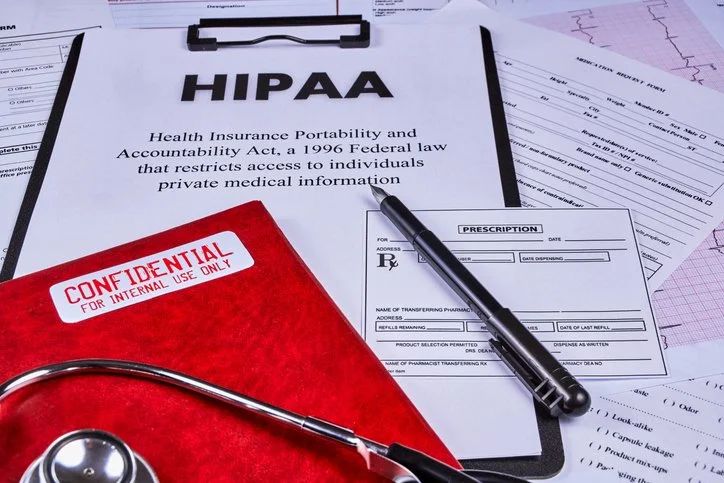
To develop an effective HIPAA attestation, every organization must take a few key steps:
- The statement should be written by someone familiar with your organization's policies and procedures.
- The statement should be reviewed by someone familiar with HIPAA regulations like an experienced and licensed CPA firm.
- The attestation should be signed by someone who has the authority to certify compliance with HIPAA regulations as stipulated by the AICPA.
In summary, it is important to understand the purpose of a HIPAA attestation and what it does not do. The statement in the HIPAA attestation should be made by an individual within your organization who has responsibility for overseeing compliance with the Security Rule.
If you have questions about conducting a HIPAA attestation, you should seek advice from a CPA professional with experience in HIPAA compliance.
Services offered by Johanson Group:
IT Audit Checks: What You Need To Know
IT Audit Checks: What You Need To Know
An IT audit is an assessment of your company's current information technology infrastructure. It provides a clear picture of your company's IT system and where its potential risks lie.
Conducting an audit allows you to identify any gaps that exist as well as identify areas for improvement.
Here’s what you need to know.
Why IT audits are important
IT audits are important to cloud computing, data centers, and software-as-a-service (SaaS) and healthcare organizations because they help these companies ensure that their data is secure. IT audits help these organizations ensure that their data is not vulnerable to unauthorized access or theft.
Although cloud computing, data centers, and SaaS give users access to sensitive data and information in real time, these services may be vulnerable if not audited regularly.
It is impossible for a company to know whether or not its security measures are effective without conducting an audit. An audit will also reveal any weaknesses in the company's security system so that they can be fixed before hackers exploit them.
There are several types of IT audits crucial to these types of organizations, two of the most prominent being SOC 2 compliance audits and HIPAA compliance audits. A SOC 2 audit is required by many companies that want to offer Cloud Service Level Agreements (SLAs) to their customers. It ensures that the company has adequate policies and procedures in place for handling security risks. The HIPAA audit ensures that a company's website is compliant with the Health Insurance Portability and Accountability Act (HIPAA). A SaaS organization may also have an ISO 2700 audit done on its service offerings.
How do I know my IT controls are working?
Before an IT audit, how can you check that all your IT controls are working effectively or not?
The first step is to identify the controls that you have in place. You should already have a list of them, provided by your IT department or other relevant parties. If not, consult these documents and get this information from them.
Once you know what controls are in place, ask yourself what each of them does and how it works.
For example, if you have a backup system, ask yourself: "What happens if the backup computer goes down?"
Or if you have antivirus software installed to prevent ransomware on each computer: "What happens if my antivirus software doesn't work?”
Make sure each control has a job description (or purpose) and does what it is supposed to do.
How do I know if I’m using the right IT controls for my company?
To know if you're using the right IT controls for your company in the right way, you need to identify which controls are most important for your organization.
You can start with a risk assessment process, where you identify all of your internal and external risks and rank them by their impact on your organization's operations; use this information to prioritize which controls you should focus on first.

Once you've identified these priorities, you'll want to ensure that the right people are involved in implementing these controls. Some might need approval from upper management or the board of directors; others may require approval from a committee or a peer group within the company.
Suppose one person approves all IT security decisions across multiple departments. In that case, that person must have sufficient knowledge of each department's operations to decide what security measures will best benefit each department's needs.
Before my IT audit, how can I ensure that my IT controls are followed correctly?
Before your IT audit, you can ensure that your IT controls are followed correctly by conducting a self-audit. This will help you identify gaps in your current processes and allow you to address them before the audit.
A self-audit should include:
- A review of all IT controls to ensure they are followed correctly.
- An assessment of the adequacy of these controls based on best practices for similar businesses in similar industries.
- A comparison between what your business is doing and what it should be doing to ensure that risks are appropriately mitigated.
What do I need to prepare for my company’s upcoming IT audit?
To prepare for your company-wide IT audit, you must have the right tools and information available.

You can do this by:
- Gathering all of the relevant documentation. This includes everything from email threads to agreed-upon policies with vendors and clients.
- Ensuring you have a system that stores essential data (for example, in a shared folder on Google Drive).
- Noticing any changes in your processes or system that might affect checks later (for example, if you're going through major organizational changes).
What does an IT audit look for?
As you can see, a lot goes into an IT audit.
The following are some of the important factors that an IT audit looks for:
Systems and software documentation -
A thorough understanding of how systems are structured and documented is key to ensuring all processes are running smoothly. Without adequate documentation, identifying problems or making necessary changes will be difficult.
Systems and software configuration -
The proper configuration ensures that the system performs as expected while reducing the likelihood of unexpected issues occurring later.
For example, suppose you have multiple servers running different applications. In that case, the proper configuration will ensure they don't conflict with each other or cause any downtime when trying something new or changing configurations on their own (e.g., adding more RAM).
Systems and software security -
Software security isn't just about keeping hackers out; it also involves protecting your data from being accessed by unauthorized parties within your organization (e.g., employees).
This may include encryption techniques when storing sensitive information like passwords and password hashes (which uses one-way algorithms so that no one can reverse engineer them) or physical measures such as disabling unused ports with tape to ensure no one plugs something into them by accident!
What to look for when hiring your company’s IT auditor

Here are some things to look for when choosing an auditor for your IT audit:
- Experience: Look at the company's experience, and make sure they have done audits on similar companies in your industry. You also want to ensure they have experience with your specific business model and processes.
- Industry knowledge: You need someone who knows the industry as well as they know themselves! The more they know about your industry and how it works, the more likely they will be able to find issues specific to your company's needs
- Up-to-date and current certifications and licenses: Many auditors have certifications on specific software systems or processes. You must check their credentials before hiring them to know their background and if they're qualified for the job at hand!
- Timelines: Ensure that the auditing firm has enough time to complete the audit within your desired timeframe (usually within six months). If not, find another firm!
- Good reviews: The best way of ensuring your auditor will do a good job is by reviewing their previous work. Many will have reviews up across the web on Google, Yelp, or other review sites. Another place to look for proof of quality work is at the auditor’s website, like a testimonial page.
How often should you conduct a formal IT audit?
We recommend conducting a formal IT audit at least once a year. That way, you can keep track of your company's progress and ensure it's on track for the future.
Proper auditing has become increasingly important in today's data security-focused world. It's clear that if businesses were more diligent in their audits, they would save money and avoid devastating losses to their reputations and their company's health.
If you want to know more about the process and value of formal IT audits, feel free to reach out to Johanson Group. We'd love to talk with you!

The History of SOC 2 Compliance
The History of SOC 2 Compliance
The past decade has seen the introduction and widespread adoption of cloud-based services, providing new opportunities for businesses to operate more efficiently and deliver better customer experiences.
In addition to these benefits, however, cloud-based services also introduce security risks that must be addressed to maintain trust and confidence in the system.
The focus on data protection and security has led organizations operating under SOC 2 compliance requirements to implement new technologies that help them protect sensitive data while meeting regulatory standards such as HIPAA, PCI-DSS, and GDPR.
Why Was SOC 2 Created?
The making of SOC 2 compliance goes back to the 1970s when the American Institute of Certified Public Accountants (AICPA) released SAS 1, which outlined an independent auditor's role and responsibilities.
As technology and companies began to migrate to working within the quickly evolving digital landscape, information security grew in demand and necessity.
Throughout the early 1990s, CPAs used SAS 70 to determine how adequate a company's internal financial controls were. Over time, SAS 70 became a way for companies to report on how they treated information security in general.

Over the next 20 years, companies began outsourcing payroll processing and cloud computing services, ultimately putting financial reporting or data security at risk without a set of guidelines and requirements. After all, customers and clients hold the power to decide with whom to do business. If they mishandle their personal information and data breaches, they'll lose trust in your company and find services elsewhere. The company or organization would suffer, and so would the customer and client. Companies must validate their security level through a trusted third party—and that's where SOC 2 comes in!
The AICPA created SOC 2 compliance in the early 2000s to help companies protect their customers' data. They wanted to ensure that companies storing customer data were doing so safely and securely. As the Internet grew and became more popular, it became more important for users to know where their data was stored, who had access to it, and how it would be protected from malicious hackers.
In 2002, the Federal Trade Commission (FTC) published a report titled "Protecting Consumer Privacy in an Era of Rapid Change."
In this report, they stated that consumers should have control over their personal information when dealing with companies online. This idea laid the groundwork for today's SOC 2 compliance certification requirements.
SOC 2 for SaaS Companies

The ever-growing popularity of cloud-based services and SaaS companies have influenced SOC 2 compliance standards to become so popular.
While there are several benefits to using a cloud provider, security, data protection, and compliance are among the top reasons businesses choose them.
Cloud providers offer better data protection than traditional on-premises solutions because they have more advanced built-in security features, meaning that you won't have to make any changes to your current systems as long as you use a trusted provider who takes care of these functions for you.
In addition, by choosing a cloud platform designed with SOC 2 compliance standards in mind, it is far easier for companies like yours to meet their stringent requirements while keeping costs down simultaneously!
Service Organization Controls (SOC) 1
The first version of SOC was Service Organization Controls (SOC) 1, developed by the AICPA and the ISACA. It was released in 1990 and provided a baseline of controls that any service organization could use.
READ MORE: SOC 2 Controls: What they are and how they help you stay compliant
Is SOC 2 legally required?
SOC 2 isn’t legally required, however, B2B SaaS companies and cloud service providers recognize it as the most widely used and recognized security standard. Many software vendors require SOC 2 certification in order to work with them as well.
It's become a de facto standard due to its popularity among vendors and customers.
It's also the only security standard adopted by the Cloud Security Alliance (CSA), an independent organization whose mission is to help businesses use cloud computing and mobile technologies securely so they can focus on their core competencies instead of IT infrastructure.
SOC 2 does not legally require you to follow any particular procedures or practices; however, if you choose to do so, your customers will be able to trust you more because it gives them confidence that their data is secure in your hands.
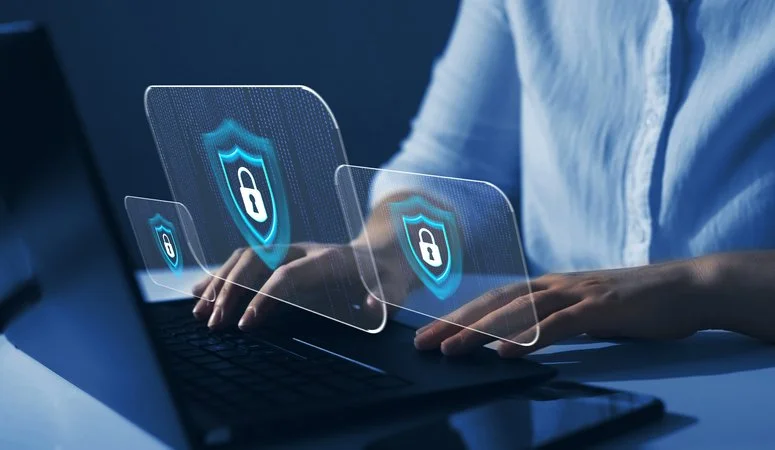
Data protection and security practices are extremely important
Security is becoming increasingly critical as the world becomes more interconnected and complex. Thus, SOC 2 compliance is one way of ensuring that your company has adequate systems and controls to protect its customers' data.
Although there are several variations of this certification, they all aim towards a common goal: assuring that an organization meets specific industry standards for protecting sensitive data.
SOC 2 Controls: What they are and how they help you stay compliant
SOC 2 Controls: What they are and how they help you stay compliant
Customers, employees, and stakeholders are focused on the security of their data, information, and personal identity when considering partnering or doing business with your company. SOC 2 audit reports that certify compliance with these standards will put them— and you— at ease.
During a SOC 2 audit, the auditor will look for controls and evaluate whether they are designed and implemented appropriately to meet their stated purpose(s).
So what are these controls, and how do you know which ones to focus on for your organization’s ISMS SOC2 compliance? This article will answer these questions, but first, here’s a brief overview of SOC 2 Compliance and what that means for your organization.
So, what is SOC 2 compliance?
SOC 2 (and SOC 1) is the most common type of audit for assessing controls around data security, privacy, availability, and processing integrity.
The SOC 2 compliance audit and report are designed to help organizations prove they have appropriate measures to protect sensitive customer information.
Certification is evidence that an organization complies with laws like GDPR (General Data Protection Regulation) or HIPAA (Health Insurance Portability Accountability Act).

Why should you be SOC 2 compliant?
There are many reasons why it's beneficial for companies to apply these standards but here are a few:
- Improves trust among external stakeholders (like customers or partners) by providing assurances that they're protected from improper use of data.
- Helps ensure appropriate security measures are being taken internally within an organization; * Provides insight into management practices surrounding confidential data; * Helps reduce risk related issues during audits by demonstrating management's commitment towards protecting information provided by customers/partners.
What is a SOC 2 audit?
The SOC 2 audit is a comprehensive assessment of an organization's information security management systems (ISMS) and the extent to which they are implemented, operated, and evaluated. It provides a third-party attestation opinion on the conformance of the ISMS to the published criteria for an ISMS. The assessment is performed against a standard, ISO/IEC 27001, which specifies a structure for an ISMS and sets out the requirements for its operation and evaluation.
READ MORE: Key Differences Between ISO 27001 and ISO 27002
SOC 2 is a set of standards around security, availability, processing integrity, confidentiality, and privacy. These are called Trust Service Criteria (TSC) and you can’t meet these standards without proving you have the right controls in place.
SOC 2 Controls and Trust Service Criteria Aren’t Synonymous— you need them both to guide you on your journey to SOC 2 Compliance
It’s very important to remember that criteria and controls are not the same. Instead, think of all the controls you have in place (or need to have before your audit) in order to meet the specified criteria (set forth by the TSC) for your industry.
What are the Five Categories of Trust Service Criteria (TSC) and CC Series?
The American Institute of Certified Public Accountants (AICPA) has prioritized the five Trust Services Criteria (TSC) to guide SOC 2 audit and report generation efforts.
- Security: This category focuses on ensuring controls are in place to prevent unauthorized access, use, and disclosure of information in an organization’s ISMS. Security is the only TSC required for every SOC 2 audit.
- Availability: This category requires companies to ensure clients access needed information and systems. Controls used for this category must ensure employees and clients can rely on your controls to meet requirements of meet functionality and usability within the ISMS.
- Processing integrity: Controls within this category ensure that your systems are operating exactly as expected.
- Confidentiality: This category is to ensure your controls limit access to and use of employee and customer data and confidential information.
- Privacy: Within this category, service organizations are required to prove that personal information is protected against vulnerabilities and unauthorized users. Some of the information and data would be included in both the ‘Confidentiality’ and ‘Privacy’ TSC categories.
Within the TSC categories, there are also nine subcategories to further guide recommendations for controls to guide SOC 2 compliance for ISMS service organizations. These subcategories are called the SOC 2 Common Criteria list, also known as the CC-series:
- CC1 — Control environment
- CC2 — Communication and Information
- CC3 — Risk Assessment
- CC4 — Monitoring Controls
- CC5 — Control Activities
- CC6 – Logical and Physical Access Controls
- CC7 – System Operations
- CC8 – Change Management
- CC9 – Risk Mitigation
Examples of SOC 2 controls:
There are many controls a service organization would need to focus on for its specific business and ISMS but using the TSC criteria and the control framework from the Committee of Sponsoring Organizations of the Treadway Commission (COSO) most controls can be categorized into four main areas, but this list, of course, is not exhaustive.
- Logical and physical access controls that monitor, protect and restrict access to personal information and sensitive data.
Examples of these controls would be restricting access to private networks or using an IAM (identity and access management) program to block access to secure files and other data.
- System and operations control oversees how quickly system issues and deviations can be identified, analyzed, and responded to. An example of this kind of control would be using a managed detection and response program (MDR).
- Change management controls ensure changes made to growing and evolving ISMS needs are implemented promptly and appropriately while protecting vulnerable data. Examples of this type of control include contracting a managed security services provider or implementing a patch monitoring program
- Risk mitigation controls to monitor, identify, analyze and prevent data losses or risks before a major attack or breach. Examples of these controls include implementing a threat and vulnerability management program or a third-party risk management program.
Not sure where to start with becoming SOC 2 compliant? Start here.
First, you need to know where your vulnerabilities lie.
Second, you need to determine the controls that will help mitigate those vulnerabilities.
Third, you must ensure that those controls are implemented correctly and used effectively.
This is the core of SOC 2 compliance: understanding what's required of you based on an independent auditor's assessment and then ensuring that your team has everything it needs to meet these requirements as consistently as possible. If you're not using effective security measures at every step of your process—from conception to completion—you won't be able to get SOC 2 compliant or pass an audit without being forced into costly fixes later on down the line.
How to choose the right SOC 2 controls to focus on for service providers?
When you're working to get SOC 2 compliance, you need to know the requirements and how they're met—through security controls.
The most important thing to remember when choosing SOC 2 controls is that they aren't solely about keeping your systems safe from hackers. Instead, they're about protecting your business's ability to function properly.
Focusing on security-specific controls like encryption or password protection might be tempting, but these are only a small piece of the puzzle. It would be best if you made sure that all of your systems are reliable and functioning properly to continue running smoothly without interruptions or downtime.
For service providers, SaaS startups, or cloud-based providers, this means ensuring that everything from user authentication processes to data storage devices is in order so users can access their accounts without problems. It also means having backups stored offline so that if something goes wrong with one system, another can take over seamlessly without interrupting any services your company or organization provides.
For example, if you're a healthcare provider, you'll need to have a method for protecting patient data and ensuring that it's never disclosed without authorization or a court order. That could mean investing in encryption software or storing the information off-site in a secure facility.
Are you handling finances? The most important thing to remember when choosing the right controls to focus on is to ensure they are relevant to the specific needs of your business. For example, if your company processes credit card payments, you should look at industry standards like PCI DSS and NIST 800-53.
But what if you're what if your company is in healthcare or manufacturing? The good news is that there are still standards that can be useful for any organization. For example, ISO 27001 and HIPAA guide information security best practices applicable across industries.
Is your head spinning yet? We get it, preparing for a SOC 2 compliance audit can feel overwhelming. That’s why we’re here every step of the way to help you understand the requirements for your service organization and how you can best serve your customers and employees with the most up-to-date education, information, and processes for SOC 2 compliance, including which controls to focus on.
ABOUT JOHANSON GROUP:
Johanson Group, based in Colorado Springs, CO, provides audits and professional services to public and private companies in a variety of industries worldwide.
We serve:
- SaaS Start-ups
- SaaS Healthcare Organizations
- Established SaaS Companies
- Government SaaS Organizations
We provide:
- SOC 2 assessments
- HIPPA assessments
- ISO/IEC 27001 reports
The Benefits of SOC 2 Compliance
The Benefits of SOC 2 Compliance
SOC 2 compliance is a necessary process that can benefit all SaaS and other service organizations.
SOC 2 compliance comes with many benefits that will help you run your company more securely, efficiently, and effectively.
What is SOC 2 Compliance?
SOC 2 stands for Service Organization Control 2. It is a voluntary compliance standard for SaaS and other service organizations. The American Institute of CPAs (AICPA) developed SOC 2 based on the Trust Services Criteria: security, availability, processing integrity, confidentiality, and privacy.
Organizations are not required to be SOC 2 compliant or to complete a SOC 2 audit, however, the benefits of certifications outweigh the risks an organization takes on without one.
The benefits of being SOC 2 compliant include:
- More efficient operations
- Increased customer satisfaction
- Protection against lawsuits and the costs associated with them
- Long-term cost savings and Loss Prevention
- Increased trust with your customers
- Decreased risk of loss of sensitive data
This article will cover the benefits of SOC 2 Compliance and how compliance will help your company grow.
More efficient operations:
A better understanding of your processes and improved communication between stakeholders will lead to more efficient operations.
Being SOC 2 compliant helps your organization become more efficient with processes in several ways.
First, it allows you to show that you have a reliable and repeatable process for handling your sensitive data. This can help reduce the risk of human error, which can cause massive problems regarding sensitive data.
Second, it allows you to demonstrate that your organization is taking security seriously, so you can increase trust from customers and partners—this in turn leads to better customer retention and ultimately increased revenue.
Third, it allows you to prove that your company has robust controls in place so that there are no issues with recovery or mitigation plans when something goes wrong (and it will.)
Increased customer satisfaction
Customers want to trust in the security measures taken by your company when they use your software or services.
Being SOC 2 compliant will help them feel confident that they can rely on you to protect their data with strong security measures. This leads to higher customer satisfaction scores, which leads to increased revenue streams for SaaS organizations and other service companies because satisfied customers are likely to spend more money using your products or services again than those who aren't satisfied with their experience using those same products or services.
Protection against lawsuits and the costs associated with them
SOC 2 compliance is important because it helps to ensure that your SaaS product is secure. In other words, SOC 2 compliance helps to protect your customers and your company from lawsuits and data breaches.
The costs associated with legal action can be astronomical, and many organizations have even gone out of business due to the stress caused by lawsuits.
SOC 2 compliance helps you avoid costly litigation by keeping your customers happy, ensuring that your data is secure, and allowing you to manage your internal processes effectively. You can reduce or eliminate this risk by following best practices regarding information security and privacy laws!
It's not uncommon for people to sue companies that suffer from data breaches or hacks. When a breach occurs, victims often sue the company responsible for their loss of data privacy. This can be costly for businesses that aren't prepared to defend themselves in court—especially if they don't have an adequate plan beforehand.
With SOC 2 compliance, however, you're able to prove that you have taken precautions against cyber attacks and are therefore less likely to be sued by customers whose security was compromised as a result of a hack or breach on your network
Long-term cost savings and Loss Prevention
According to GlobalScape’s ‘The True Cost of Compliance with Data Protection Regulations, an average of $4 million is lost due to a single non-compliance event. The risk of remaining non-compliant is just too costly.
Long-term cost savings come from operational risks, reducing the cost of handling a breach. By reducing operational risks, you are also reducing the risk of a data breach, which means you can avoid paying fines or penalties if your data is compromised.
In addition to reducing operational risks and lowering your risk of being penalized, SOC 2 compliance can also reduce costs by improving customer satisfaction and loyalty. Customers who feel more secure with their data will be more likely to do business with you over the long term, and they'll be more likely to tell their friends about how well they've been treated by your company.
Wondering if Pen Testing is required for SOC 2? LEARN MORE.
Decreased risk of loss of sensitive data
In addition to the benefits of SOC 2 compliance for your customers, you’ll also be able to protect your company.
According to SecureFrame’s published compliance statistics:
- The average data breach cost among companies surveyed reached $4.24 million per incident in 2021, the highest in 17 years. (IBM)
Customer personal data (such as name, email, and password) is included in 44% of data breaches. (IBM)
We live in a digital age, and there’s no sign of digital dependence slowing, which also means where there is online data, there is also the risk of cyber security threats.
With SOC 2 compliance, you can demonstrate that you’re committed to protecting sensitive data and safeguarding customer information from cybercriminals and other malicious actors who may seek out these valuable assets to compromise a business or steal confidential information for nefarious purposes.
Getting ready for a SOC 2 audit? Here’s your pre-audit check list to help you prepare.
SOC 2 Compliance Can Help Your Company Grow
Mounting statistics show organizations that are compliant outlast those that are not. They grow not only their revenue but also their customer’s trust and loyalty which is becoming an expectation amongst any company or organization that houses secure data or private information.
So, if you're looking to start a company or expand your current one, it should be at the top of your list. It's not just about security and trust—it's also about efficiency and effectiveness! The more efficient you are with your resources, the more productive you'll be and save money in the long run.
Simply put, a SOC 2 Certification will help improve your business operations then it may be worth considering getting certified today.
Contact the Johanson Group today. Your trusted SOC 2 CPA firm.
Looking for more?
Johanson Group also offers:
Services


