


Resources
Articles
Practical guides and industry updates to help your organization stay secure and compliant in a digital-first world.

HIPAA vs. HITRUST: What You Need to Know
HIPAA vs. HITRUST: What You Need to Know
When it comes to safeguarding personal digital information, data privacy is crucial, especially in the context of digital health records. Healthcare organizations have a responsibility to protect sensitive data using strong frameworks like HIPAA and HITRUST.
By following specific conditions outlined in HIPAA, healthcare organizations ensure that individuals have control over their personal health information.
Explore the features, requirements, and benefits of HIPAA and HITRUST compliance. Discover how these frameworks work together to protect patient data.
The Health Insurance Portability and Accountability Act of 1996 (HIPAA), a U.S. law, sets standards for healthcare organizations to ensure the security, privacy, and proper handling of protected health information (PHI). Covered entities and business associates must prioritize HIPAA compliance to avoid penalties, including significant fines and harming their reputations.
HIPAA consists of three main rules that outline specific requirements for covered entities and their business associates:
1. Privacy Rule:
The Privacy Rule establishes national standards for how healthcare organizations can use and share patients' protected health information (PHI). It ensures that individuals have control over their health information by outlining the conditions for accessing, sharing, and disclosing PHI.
2. Security Rule:
The Security Rule establishes requirements for safeguarding patients' electronic PHI (ePHI). It mandates that covered entities implement appropriate administrative, physical, and technical safeguards to protect ePHI from unauthorized access, use, or disclosure.
These safeguards include access controls, encryption, audit trails, and employee training.
3. Breach Notification Rule:
The Breach Notification Rule requires covered entities to notify affected individuals, the U.S. Department of Health and Human Services (HHS), and, in some cases, the media when a breach involving unsecured PHI occurs.
This rule ensures that individuals are quickly notified of unauthorized access or disclosure of their protected health information (PHI). It enables them to take necessary steps to protect their privacy.
HIPAA is Not The Only Compliance Framework
While HIPAA serves as a comprehensive framework for covered entities and business associates, it's important to note that it does not provide a specific roadmap or checklist for achieving compliance.
Organizations under the purview of HIPAA must conduct annual self-audits to evaluate their adherence to the regulations. It is their responsibility to establish and enforce appropriate policies, procedures, and safeguards to safeguard protected health information (PHI) and ensure compliance with HIPAA requirements.
Oftentimes, healthcare organizations face significant challenges in meeting the stringent demands of HIPAA, as well as other industry-specific and international security regulations. The implementation and maintenance of HIPAA compliance can be complex and incur substantial costs.
This is exactly where the Health Information Trust Alliance (HITRUST) comes into play.
READ MORE: An Overview of HIPAA Attestation
HITRUST offers a solution to simplify compliance efforts by harmonizing various security standards, frameworks, and regulations into a unified framework called the HITRUST CSF (Common Security Framework).
By adopting the HITRUST CSF and following the corresponding HITRUST Assurance Program, organizations can demonstrate their commitment to protecting patients' sensitive health information and upholding the integrity of the healthcare system.
HITRUST is a valuable resource for healthcare organizations, providing a comprehensive and streamlined approach to regulatory compliance and risk management.
The Role and Benefits of HITRUST Compliance for Health Organizations
Health organizations need HITRUST to navigate the complex landscape of data security and privacy regulations effectively.

The HITRUST CSF offers several benefits:
1. Simplified Compliance:
By following the HITRUST CSF, organizations can ensure compliance with various regulations, including HIPAA, GDPR, ISO, NIST, PCI-DSS, and more. It consolidates these standards into a unified framework, eliminating the need for separate assessments and audits.
2. Streamlined Risk Management:
The HITRUST CSF not only focuses on compliance but also facilitates effective risk management. It provides organizations with a structured approach to identify, assess, and mitigate risks associated with data privacy and security.
3. Reliable Certification:
HITRUST offers a certification program called the HITRUST Assurance Program, which enables organizations to obtain a recognized certification. This certification demonstrates their commitment to data security and compliance, enhancing trust among patients, partners, and stakeholders.
4. Enhanced Security:
The HITRUST CSF incorporates a comprehensive set of security controls, enabling organizations to strengthen their security posture. By adopting HITRUST's guidelines, organizations can proactively protect sensitive data and mitigate potential risks.
5. Competitive Advantage:
Achieving HITRUST certification sets organizations apart in the healthcare industry. It showcases their commitment to maintaining the highest standards of data security and privacy, which can give them a competitive edge when seeking partnerships and contracts.
By adopting HITRUST's guidelines and pursuing HITRUST certification, health organizations can ensure compliance, enhance security practices, and gain a competitive advantage.
Clarifying the Misconception: HITRUST vs. HIPAA Compliance—A Synergistic Approach
It's time to debunk the misconception that HITRUST and HIPAA are at odds. In reality, HITRUST doesn't replace HIPAA; it works hand in hand with it.

HIPAA sets the foundation for protecting sensitive health information, while HITRUST takes it a step further. By integrating HIPAA requirements with other security frameworks, HITRUST offers a more comprehensive and stringent approach to data security.
HIPAA focuses primarily on safeguarding protected health information (PHI) and establishes national standards for its use and disclosure. On the other hand, HITRUST expands on HIPAA by incorporating a broader range of security controls and requirements.
It harmonizes multiple standards, such as PCI-DSS, ISO, NIST, and GDPR, into a unified framework, creating a holistic strategy for data security and regulatory compliance.
By adopting HITRUST, organizations demonstrate their commitment to HIPAA compliance (using a HIPAA compliance audit) while bolstering their overall security posture.
HITRUST provides a robust framework that addresses a wider spectrum of security considerations, empowering organizations to establish stronger safeguards and effectively mitigate risks.
Let's dispel the misconception: HITRUST and HIPAA are not competing frameworks; they work together as complementary components of a comprehensive data security strategy.
Healthcare organizations need to understand the differences between these frameworks. This will help them improve their security practices and meet industry standards.
So, is HITRUST HIPAA-compliant?
Yes!
HITRUST incorporates HIPAA requirements into its framework, ensuring that organizations achieving HITRUST certification meet HIPAA compliance.
However, it's important to note that HIPAA compliance doesn't automatically mean HITRUST compliance. HITRUST imposes additional security controls and standards beyond what HIPAA mandates.
Real-World Examples of Compliance Requirements
HIPAA and HITRUST are two standards organizations in the healthcare industry may need to comply with. HIPAA stands for the Health Insurance Portability and Accountability Act, which sets the rules for protecting patients' sensitive health information. HITRUST, on the other hand, is a certification framework that combines various security and privacy standards, including HIPAA, to provide a comprehensive approach to managing risk in healthcare.
Some examples of organizations that may need to comply with HIPAA, HITRUST, or both, include:
1. Organizations That Need HIPAA Compliance:

Healthcare Providers:
Hospitals, clinics, nursing homes, doctors' offices, and other healthcare providers that handle patient health information are required to comply with HIPAA.
For example, a large hospital network with multiple locations must ensure HIPAA compliance to protect patient data and maintain regulatory adherence.
Health Insurance Companies:
Insurance companies that handle and process health insurance claims and PHI are also subject to HIPAA requirements.
These organizations must implement appropriate security measures to safeguard sensitive data, such as a health insurance provider managing electronic claims and medical records.
2. Organizations that Need HITRUST Certification:

Health IT Vendors:
Organizations providing health IT solutions, including electronic health records (EHR) systems, telehealth platforms, and healthcare software applications, can benefit from HITRUST certification.
HITRUST provides a comprehensive security framework that demonstrates its commitment to data protection and establishes trust with healthcare organizations. For instance, a company offering cloud-based EHR solutions may pursue HITRUST certification to assure healthcare providers of their robust security measures.
Third-Party Service Providers:
Entities that handle, store, or process patient data for healthcare organizations, such as medical billing companies, data hosting providers, and medical transcription services, often seek HITRUST certification.
By obtaining HITRUST certification, these organizations demonstrate their commitment to maintaining the highest standards of data security and regulatory compliance.
3. Organizations needing HIPAA Compliance and HITRUST Certification:

Healthcare Clearinghouses:
Clearinghouses are crucial in processing and forwarding healthcare claims between providers, health plans, and other entities. As intermediaries in the healthcare data exchange, they must comply with HIPAA.
Additionally, HITRUST certification may be sought to enhance their security controls further and demonstrate comprehensive data protection capabilities.
Integrated Health Systems:
Large healthcare organizations that encompass multiple entities, such as hospitals, clinics, and health insurance divisions, often need to comply with HIPAA across their entire network.
Achieving HITRUST certification can provide them with a standardized and scalable security framework that aligns with their complex operations, ensuring consistent data protection practices and regulatory compliance.
HIPAA and HITRUST Are Partners in Health Compliance

Regarding data security in healthcare, organizations must carefully consider their compliance requirements.
HIPAA compliance is mandatory for entities handling PHI, while HITRUST certification provides an additional layer of comprehensive security controls.
By assessing specific security needs, scalability, and potential impact on partnerships and business opportunities, organizations can make informed decisions about pursuing HIPAA compliance audits or HITRUST certification— or both.
Ultimately, the goal is to maintain compliance, uphold patient trust, and establish a robust data security framework that aligns with the organization's objectives and future growth plans.
Partner with Johanson Group, Risk Advisory Specialists, to Safeguard Your Patient and Staff Data
At Johanson Group, we understand the importance of protecting patient and staff data in healthcare organizations.
With our expertise in risk advisory and privacy requirements, we specialize in helping healthcare organizations manage, maintain, and comply with stringent data privacy regulations.
Take Control of Your Data Security Today!
Our dedicated team of experts will work closely with you to assess your unique risk landscape, develop robust data security strategies, and implement industry-leading privacy practices.

A Comprehensive Guide to ISO 27001 Annex A Controls for Information Security Management
A Comprehensive Guide to ISO 27001 Annex A Controls for Information Security Management
Protecting sensitive information is vital for organizations across industries and sizes. And it is now more crucial than ever. That’s why ISMS organizations must prioritize the ISO 27001 standard, specifically Annex A.
Annex A, an integral part of ISO 27001, presents a comprehensive set of controls organizations can implement to fortify their information security defenses.
This blog serves as a complete guide to ISO 27001 Annex A controls, exploring their significance and how they enable organizations to achieve and maintain compliance, ensuring the protection of their most vital information assets.
READ MORE: The Key Differences Between ISO 27001 and ISO 27002
Understanding ISO 27001 Annex A Controls

ISO 27001 Annex A controls encompass 14 domain categories and within those categories, specific controls that address different aspects of information security. These controls act as a roadmap for organizations to safeguard their information assets and mitigate risks effectively.
Here's a closer look at each domain category and its corresponding controls:
Information Security Policies
- Development and communication of information security policies
- Assignment of information security responsibilities
- Management commitment to information security
Organization of Information Security:
- Segregation of duties
- Allocation of responsibilities
- Independent review of information security
Human Resource Security:
- Screening of personnel
- Training, awareness, and competency programs
- Employee disciplinary process
Asset Management:
- Inventory of assets
- Ownership of assets
- Acceptable use of assets
Access Control:
- Access control policy
- User access management
- User Responsibilities
Cryptography:
- Encryption
- Key management
- Cryptographic controls
Physical and Environmental Security:
- Secure areas
- Equipment security
- Protection against threats
Operations Security:
- Operational procedures and responsibilities
- Protection against malware
- Backup
Communications Security:
- Network security management
- Information transfer
- Electronic messaging
System Acquisition, Development, and Maintenance:
- Security requirements of information systems
- Secure development and support processes
- System vulnerability management
Supplier Relationships:
- Information security in supplier relationships
- Supplier service delivery management
- Supplier agreements
Information Security Incident Management:
- Reporting information security events
- Incident response management
- Lessons learned from incidents
Information Security Aspects of Business Continuity Management:
- Information security continuity
- Redundancies and backup plans
- Testing and reviewing the business continuity plan
Compliance:
- Identification of applicable legislation
- Intellectual property rights
- Protection of organizational records
READ MORE: ISO Asset Management and Cybersecurity: Protecting Your Assets in the Digital Age
4 Benefits of Implementing ISO 27001 Annex A Controls

According to SecureFrame, the number of ISO 27001 certifications has been steadily rising since 2006, with a total of 44,499 certifications issued in 2020, indicating a significant 22% increase compared to the previous year.
This statistic highlights the importance of Annex A controls, as organizations recognize the necessity of implementing these controls to meet the ISO 27001 standards and safeguard sensitive information.
Implementing ISO 27001 Annex A controls offers numerous advantages for organizations, such as:
- Improved information security management:
Organizations can establish robust information security management systems that protect against various threats by following Annex A's comprehensive set of controls.
- Enhanced protection of sensitive information assets:
Annex A controls help organizations identify, assess, and mitigate risks associated with their information assets, ensuring their confidentiality, integrity, and availability.
- Compliance with legal and regulatory requirements:
Implementing ISO 27001 Annex A controls enables organizations to meet legal and regulatory requirements related to information security, minimizing the risk of non-compliance.
- Increased trust and confidence from stakeholders
Effective implementation of Annex A controls demonstrates an organization's commitment to information security. This fosters trust among customers, partners, and stakeholders, leading to enhanced reputation and credibility.
Simply put, ISO 27001 compliance enhances an organization's security, surpassing those without it.
Additionally, ISO 27001 shares similarities with GDPR, CIS Critical Security Controls, and NIST Cybersecurity Framework, offering a head start in meeting other framework requirements.
Challenges and Considerations When Implementing ISO 27001 Annex A Controls

Implementing the ISO 27001 Annex A controls can present several challenges for organizations. Annex A of ISO 27001 specifies a comprehensive set of controls that are designed to address various aspects of information security. While these controls are essential for safeguarding sensitive information, their implementation can be complex and demanding.
Here are some potential challenges that organizations may face:
Resource Allocation:
Implementing the Annex A controls requires significant resources, including financial, technological, and human resources. Organizations need to allocate sufficient budgets, procure necessary tools and technologies, and dedicate skilled personnel to ensure successful implementation.
Organizational Resistance:
Resistance from within the organization can pose a significant challenge. Employees may resist changes to their established work practices and be hesitant to adopt new security measures. Overcoming resistance and ensuring organizational buy-in is crucial for successful implementation.
Complexity and Interdependencies:
Annex A controls cover a wide range of areas, such as physical security, access control, asset management, incident response, and more. These controls often have interdependencies, and implementing them in a cohesive and coordinated manner can be challenging. Organizations need to carefully analyze and understand the relationships between controls to avoid gaps or overlaps.
Risk Assessment and Treatment:
Annex A controls are designed to mitigate specific information security risks. However, identifying and assessing these risks accurately can be challenging. Organizations must conduct comprehensive risk assessments and develop appropriate risk treatment plans to align the controls with their specific risk landscape.
Compliance with Legal and Regulatory Requirements:
Implementing Annex A controls often involves aligning with legal and regulatory requirements specific to the organization's industry or jurisdiction. Keeping up with evolving regulations and ensuring compliance with them can be a complex task, requiring continuous monitoring and updates to the controls.
Third-Party Relationships:
Many organizations rely on third-party vendors, suppliers, or service providers for various aspects of their operations. Ensuring that these external entities adhere to the Annex A controls can be challenging. Organizations need to establish robust vendor management processes and perform due diligence to assess and manage the security risks associated with their third-party relationships.
Ongoing Monitoring and Continuous Improvement:
ISO 27001 is a framework that emphasizes the importance of ongoing monitoring, measurement, and improvement of the implemented controls. Establishing effective monitoring mechanisms, collecting relevant metrics, and conducting regular audits to identify areas for improvement can be demanding and require dedicated resources.
Technical Complexity:
Some of the Annex A controls involve the implementation of complex technical solutions, such as encryption, network security, and secure coding practices. Organizations need to have the necessary technical expertise to implement and maintain these controls effectively.
Documentation and Documentation Management:
ISO 27001 requires extensive documentation of policies, procedures, and controls. Creating and managing this documentation can be time-consuming and demanding. Organizations must establish efficient documentation management systems to ensure that the documentation remains up-to-date and accessible to relevant stakeholders.
Training and Awareness:
Ensuring that employees are adequately trained and aware of the implemented controls is crucial for their effectiveness. Developing comprehensive training programs and awareness campaigns can be challenging, particularly in large organizations with diverse staff.
Strategies for overcoming these challenges
Organizations can overcome these challenges by allocating dedicated resources, providing training and awareness programs, obtaining support from top management, and fostering a culture of information security.
Importance of ongoing monitoring and evaluation of controls
Implementing Annex A controls is not a one-time task. Continuous monitoring and evaluation are vital to ensure the effectiveness and relevance of controls over time.
When to Seek Guidance for ISO 27001 Annex A Controls and Compliance Evaluation

Implementing an Information Security Management System (ISMS) and achieving ISO 27001 compliance is a complex endeavor that requires a deep understanding of the standard and its Annex A controls.
As organizations embark on this journey, there may arise a need for expert guidance to navigate the intricacies of the process effectively. This is especially true for organizations seeking compliance with SOC 2, ISO 27001, and HIPAA audits and certifications. In such cases, partnering with a specialized risk advisory specialist firm can prove invaluable.
Here are a few scenarios where seeking guidance becomes crucial for an ISMS organization:
Identifying Applicable Annex A Controls
As mentioned earlier, ISO 27001 Annex A comprises 14 domains, and within each domain, there are multiple controls that organizations need to implement.
Determining which controls are relevant and applicable to your organization's unique context can be challenging. An experienced risk advisory specialist firm can assist in assessing your organization's information security risks, identifying the most critical controls, and tailoring them to meet your specific compliance requirements.
Customizing Annex A Controls to Suit Organizational Needs
While ISO 27001 provides a comprehensive framework, it is not a one-size-fits-all solution.
Every organization has a unique risk profile, information assets, and compliance objectives. A risk advisory specialist firm can help you customize the Annex A controls to align with your specific business requirements, ensuring a practical and effective implementation.
Conducting ISO 27001 Assessments and Evaluations
Undertaking an ISO 27001 assessment or evaluation is a critical step in the compliance journey. It involves conducting a thorough review of your ISMS to ensure it aligns with the requirements of the standard.
An independent risk advisory specialist firm brings expertise in conducting such assessments, leveraging their deep understanding of ISO 27001 and the associated controls. They can evaluate your ISMS, identify gaps or weaknesses, and provide recommendations for improvement, enabling you to achieve and maintain compliance.
Staying Updated with Evolving Standards and Regulations
Information security standards and regulatory requirements are constantly evolving. Keeping up with these changes and ensuring ongoing compliance can take time and effort. A specialized risk advisory specialist firm stays abreast of the latest developments in the industry.
They can help you stay informed about changes in ISO 27001, Annex A controls, and relevant compliance regulations, ensuring your ISMS remains up-to-date and resilient against emerging threats.
If you want to establish security, reliability, and trust among your employees, stakeholders, and customers, it's imperative to seek the assistance of risk advisory specialists.
The takeaway?
These firms can offer valuable advice on choosing and implementing appropriate Annex A controls, conducting assessments, and ensuring continuous compliance with changing standards and regulations.
By collaborating with these experts, you can proactively protect your organization's information assets and foster a security-conscious environment that instills confidence and trust in all stakeholders.
READ MORE: How to Choose the Right ISO 27001 Penetration Testing Company
The Benefits of Annex A in ISO 27001 Are Robust
ISO 27001 Annex A controls offer a comprehensive approach to protecting sensitive information assets and establishing effective information security management systems.
Remember, achieving and maintaining ISO 27001 compliance is not a one-time effort but a continuous journey. Partnering with a trusted risk advisory specialist firm can provide the support and guidance needed to navigate this journey successfully, safeguarding your information assets and instilling confidence in your stakeholders.
Fast and Efficient Compliance With Johanson Group
Looking for reliable compliance report delivery? Contact Johanson Group for streamlined services tailored to your needs. With expertise in SOC 2, ISO 27001, and HIPAA audits and compliance, our experienced team serves clients across industries globally. Trust us to provide top-quality care and support in achieving your desired security posture.
Understanding SOC 1 vs. SOC 2 Reports: Choosing the Right Compliance Framework for Your Organization
Understanding SOC 1 vs. SOC 2 Reports: Choosing the Right Compliance Framework for Your Organization
In today's interconnected business landscape, organizations must demonstrate their ability to safeguard sensitive information and ensure the reliability of their internal systems.
Two prominent compliance frameworks, SOC 1 and SOC 2, are vital in validating control effectiveness and providing assurance to stakeholders.
This article will clarify the differences between SOC 1 and SOC 2 reports and guide organizations in determining which report best aligns with their needs.

SOC 1: An Overview
A SOC 1 (System and Organization Controls 1) report is a type of audit report that evaluates the internal controls of a service organization. These reports are conducted in accordance with the Statement on Standards for Attestation Engagements (SSAE) No. 18, which is issued by the American Institute of Certified Public Accountants (AICPA).
The purpose of a SOC 1 report is to offer confidence to users that the service organization has effective internal controls to ensure the accuracy and completeness of their financial reporting. The service organization’s clients typically request SOC 1 reports, as they want to ensure that their financial information is accurate and secure.
Who Does a SOC 1 Report Serve?
The primary audience for a SOC 1 report is the service organization’s clients. These clients may include financial institutions, insurance companies, or any other organization that relies on the service organization for financial reporting.
In addition to clients, other stakeholders may also be interested in a service organization’s SOC 1 report. These stakeholders may include regulators, auditors, or potential investors.
Types of SOC 1 Reports
While there are many differences between SOC 1 and SOC 2, both have two types of audit: Type I and Type II.
A SOC 1 Type I report evaluates the design of the service organization’s internal controls as of a specific date. This report validates that the controls are suitably designed to achieve the intended control objectives.
A SOC 1 Type II report evaluates the design and operating effectiveness of the service organization’s internal controls over a period of time (usually six months to a year). This report assures that the controls are designed and operate effectively to achieve the intended control objectives.
SOC 2 Reports: An Overview
A SOC 2 (System and Organization Controls 2) report is a type of audit report that evaluates the internal controls of a service organization related to security, availability, processing integrity, confidentiality, and privacy. These reports are conducted in accordance with the Trust Services Criteria (TSC), which is issued by the American Institute of Certified Public Accountants (AICPA).
The purpose of a SOC 2 report is to assure users that the service organization has adequate internal controls in place to ensure the security, availability, processing integrity, confidentiality, and privacy of their data. The service organization’s clients typically request SOC 2 reports, as they want to ensure that their data is secure and protected.
READ MORE: The History of SOC 2 Compliance
Who Does a SOC 2 Report Serve?
One of the main differences between SOC 1 and SOC 2 is the primary audience. SOC 2 reports are for the service organization’s clients. These clients may include technology companies, healthcare organizations, or any other organization that relies on the service organization for data processing or storage.
In addition to clients, other stakeholders may also be interested in a service organization’s SOC 2 report.
Types of SOC 2 Reports
Two types of SOC 2 reports are Type I and Type II.
- SOC 2 Type I
This report evaluates the design of the service organization’s internal controls at a point in time. It assures that those controls are suitably designed to achieve TSC.
- SOC 2, Type II
This report evaluates the design and operating effectiveness of the service organization’s internal controls over a period of time (usually six months to a year). It assures that the controls are suitably designed and operating effectively to achieve the intended control objectives related to TSC.
READ MORE: SOC 2 Frequency: What You Should Know
3 Main Differences Between SOC 1 and SOC 2 Reports
When evaluating a service organization's internal controls, SOC 1 and SOC 2 are two of the most common audit reports.
While both reports serve the purpose of assuring clients and stakeholders, SOC 1 and SOC 2 reports have several key differences.
- Reporting standards
- Scope of the audit
- The nature of the controls being evaluated
By understanding these differences, organizations can choose the appropriate report based on their specific needs and ensure that their clients and stakeholders have the necessary level of assurance.
1. Reporting Standards for SOC 1 and SOC 2
- SOC 1 reports adhere to the rigorous SSAE 18 standards to maintain consistency and quality. These standards provide a framework for evaluating internal controls over financial reporting and require an auditor's attestation.
- SOC 2 reports, however, follow the Trust Services Criteria, consisting of five categories encompassing a broader range of control objectives. These criteria address risks and guide for assessing controls relevant to non-financial reporting areas.
2. Scopes of SOC 1 and SOC 2 Audits
- The scope of SOC 1 audits centers around the controls related to financial reporting processes. This includes evaluating controls such as revenue recognition, financial statement preparation, and billing.
- SOC 2 audits have a broader scope covering data protection controls, system availability, logical access, change management, etc. SOC 2 reports provide valuable insights into an organization's ability to secure its systems and protect customer data.
3. The nature of the controls being evaluated
One of the biggest differences between SOC 1 and SOC 2 is the controls necessary for a successful audit. Both are essential for clients and stakeholders of service organizations.
In a SOC 1 report, the controls being evaluated are related to the financial reporting of the service organization. The report assesses the effectiveness of the controls in place to ensure the accuracy and reliability of the financial statements of the service organization. This is important for clients of the service organization that rely on their financial statements for their financial reporting and decision-making.
On the other hand, a SOC 2 report evaluates the controls related to TSC criteria to ensure that the service organization's systems are secure, available, and processing data with integrity and confidentiality.
Determining Your Requirements: SOC 1, SOC 2, or Both?
Determining which report you need, SOC 1 or SOC 2, depends on the nature of your business and the services you provide.

If your organization offers services directly related to financial reporting, such as payroll processing or accounting services, then a SOC 1 report is likely the appropriate choice. This report assures clients that the internal controls related to financial reporting are effective and reliable.
On the other hand, if your organization provides services that are not directly related to financial reporting but involve handling sensitive data, such as healthcare or technology services, then a SOC 2 report is likely the appropriate choice. This report assures clients that the internal controls related to their data's security, availability, processing integrity, confidentiality, and privacy are effective and reliable.
It's important to note that determining which report is needed is ultimately up to the client or stakeholder requesting the information. They will need to evaluate the nature of the services provided by the service organization and determine which report will provide the necessary level of assurance.
In some cases, clients may request both SOC 1 and SOC 2 reports to ensure they have a comprehensive understanding of the internal controls. This may be particularly relevant for service organizations that provide both financial reporting and non-financial services.
Examples of organizations that may need a SOC 2 report:
- Cloud service providers:
Organizations that offer cloud computing services, including infrastructure-as-a-service (IaaS), platform-as-a-service (PaaS), or software-as-a-service (SaaS) models, often require a SOC 2 report. This report assures clients that appropriate security controls are in place to protect their data.
- Data centers:
Companies operating or providing colocation services may need a SOC 2 report. It demonstrates that they have implemented adequate security, availability, processing integrity, confidentiality, and privacy controls.
- Software-as-a-service (SaaS) providers:
SaaS companies that handle sensitive customer data, such as personal information or financial records, can benefit from obtaining a SOC 2 report. It verifies that its information security controls meet industry standards and customer expectations.
READ MORE: Why SOC 2 Auditing is Essential for SaaS Businesses
Examples of organizations that may need a SOC 1 report:
- Third-party service providers:
Companies that offer payroll processing, HR administration, or financial transaction processing for other organizations might require a SOC 1 report. This report assesses the effectiveness of their internal controls over financial reporting, which is crucial for their client's financial audits.
- Pension plan administrators:
Organizations responsible for managing pension plans may need a SOC 1 report. This report demonstrates that they have appropriate controls to ensure the accuracy, completeness, and confidentiality of financial information related to pension plans.
- Trust companies:
Financial institutions, such as trust companies, that manage assets on behalf of clients might require a SOC 1 report. It assures its clients that internal controls are in place to protect the assets and maintain accurate financial records.
Examples of organizations that may need both SOC 2 and SOC 1 reports:
- Data center and managed services provider:
Companies that offer data center and managed services, such as IT infrastructure management or network security, may require both SOC 2 and SOC 1 reports. The SOC 2 report covers the security controls for their services, while the SOC 1 report assesses their controls related to financial reporting.
- Cloud-based financial software provider:
Organizations that offer cloud-based financial software, which handles financial transactions and customer data, may need SOC 2 and SOC 1 reports. The SOC 2 report ensures the security and privacy of customer data, while the SOC 1 report addresses the controls over financial reporting within the software.
- Outsourced payroll and HR services provider:
Companies that offer outsourced payroll and HR services, including handling financial transactions and managing sensitive employee data, might require both SOC 2 and SOC 1 reports. The SOC 2 report verifies the security and privacy controls for customer data, while the SOC 1 report assesses controls related to financial reporting for payroll processing.
Who Should You Hire When Considering a SOC 1 or SOC 2 Audit and Report?
When seeking SOC 1 and SOC 2 assessments, audits, reports, and certification, partnering with a reputable third-party CPA firm is crucial. These firms possess the necessary expertise and experience to conduct thorough evaluations of a service organization's internal controls, assuring clients and stakeholders.
Why Third-Party CPA Firms for SOC 1 and SOC 2 Assessments and Certification Are Crucial for Compliance
Due to the differences between SOC 1 and SOC 2, engaging a qualified third-party CPA firm is essential for assessments, audits, reports, and certification.
These firms specialize in auditing services for businesses of all sizes, bringing integrity, efficiency, and flexibility to their auditing processes. They help clients demonstrate compliance with governance, risk management, and compliance (GRC) requirements.
The professionals in these firms have extensive experience in the GRC field and are committed to delivering a seamless engagement experience. Each client is assigned a dedicated auditor and a Customer Success team to ensure personalized and prompt service.
Clients can expect to receive their final report within 4 to 6 weeks from the start of the audit. These reports address the controls pertinent to the security, availability, and processing integrity of user systems. Additionally, they align with an organization's regulatory compliance needs, such as HIPAA Security and Breach Notification Rules.
These firms also offer readiness assessments for organizations seeking certification to the ISO/IEC 27001 standard.
By collaborating with a qualified third-party CPA firm, service organizations can fulfill internal control requirements and provide the necessary assurance to clients and stakeholders.
Understanding the differences between SOC 1 and SOC 2 reports is crucial for organizations seeking to establish control over their internal systems and processes. While SOC 1 reports attest to financial controls, SOC 2 reports address a wider range of control objectives, including security, availability, processing integrity, confidentiality, and privacy.
By selecting the appropriate compliance framework, businesses can meet the specific reporting requirements of their industry and provide confidence to clients, partners, and regulators.
It is important for organizations to engage with a qualified risk advisory professional CPA firm to determine the most suitable report for their needs.
By partnering with risk assessment and compliance experts, businesses can navigate the complexities of SOC reporting and develop a comprehensive strategy to demonstrate control effectiveness and instill trust in their operations.
Don't try to navigate risk assessment and compliance alone—partner with Johanson Group, LLP, to help your organization get compliant and stay that way.
Contact us today to learn more about how we can help you achieve your compliance goals.

ISO Asset Management and Cybersecurity: Protecting Your Assets in the Digital Age
ISO Asset Management and Cybersecurity: Protecting Your Assets in the Digital Age
Businesses increasingly rely on digital assets to run their operations in today's digital world. As these assets' value grows, so does the risk of cyber threats.
Organizations must implement robust asset management practices to protect their digital assets from cyber-attacks.
This article will explore how ISO Asset Management, specifically ISO 27001, can help organizations protect their digital assets from cyber threats.
Understanding Cybersecurity Asset Management (CSAM) for Industrial Control Systems
Cybersecurity asset management, or CSAM, is an essential practice that helps organizations safeguard their assets against cyber threats. While asset management can include people and processes within an organization, its primary focus is identifying, managing, and securing computerized systems, including hardware and software.
Asset management begins with identifying all the computerized systems in an industrial control environment and proactively managing additions, removals, and changes to those devices.
There are several types of Operational Technology (OT) devices:
- Engineering Workstations (EWS)
- Supervisory Control and Data Acquisition (SCADA)
- Human-Machine Interfaces (HMI)
- Programmable Logic Controllers (PLC)
- Remote Terminal Units (RTUs)
Organizations must identify which OT devices need protection to implement a robust cybersecurity program.
It's common for organizations to maintain some form of automated asset inventory management for their Information Technology (IT) systems. Still, many don't deploy them in their OT environments due to the intrusive nature of IT tools. However, highly specialized passive OT monitoring technologies are available that can minimize attack vectors by performing asset discovery, vulnerability management, and much more.
Types of Cyber Threats and Their Risks in Asset Management
With the proliferation of digital technology, the risk of cybercrime has become more widespread.
The consequences of cyber threats can be severe, especially when proper cybersecurity asset management is not in place. Companies must be proactive in their approach to cybersecurity to prevent significant harm to their assets.
Common types of cyber threats:
- Data breaches
Data breaches are serious cybersecurity threats that severely affect a company's assets.
They occur when an unauthorized person gains access to sensitive data, such as customer information, financial data, or intellectual property.
Data breaches can result in a loss of trust among customers and stakeholders, leading to a loss of revenue for the company.

- Malware
Malware, short for "malicious software," is a type of cyber threat that can cause significant damage to an organization's assets if not correctly managed.
Malware is designed to infiltrate a computer system or network, carry out malicious activities, steal sensitive information, damage software, hardware, or data, and render entire systems unusable.
Types of malware include viruses, Trojan horses, worms, and spyware.
- Phishing attacks
Phishing attacks are social engineering attacks that deceive individuals into divulging sensitive information.
The attackers often use fake emails, text messages, or social media messages that appear legitimate and from trustworthy sources, such as banks, government agencies, or popular online services. The messages often contain urgent or enticing requests, such as asking the recipient to verify their account information or offering a fake prize or gift.
Phishing attacks are particularly effective because they exploit human weaknesses like trust, curiosity, and urgency. They can also be challenging to detect, as the messages and websites used in the attacks often look legitimate and convincing. As a result, individuals may unwittingly disclose sensitive information or download malicious software, such as keyloggers or spyware, onto their devices.
Organizations can protect their employees and assets from phishing attacks by implementing security policies and providing regular training on cybersecurity awareness and best practices like:
- Email filters to block suspicious messages
- Enforcing password policies
- Conduct simulated phishing exercises to educate employees on recognizing and avoiding phishing attempts.
By being vigilant and proactive, organizations and individuals can prevent the potentially devastating consequences of phishing attacks.
- Ransomware
Ransomware is malware that encrypts a company's data and demands a ransom payment in exchange for the decryption key.
Once a system is infected, the attackers can lock down the entire system, making it inaccessible to the company until the ransom is paid.
If a company's data is not backed up or the backups are also infected, the company may have no choice but to pay the ransom to regain access to its data leading to significant financial losses and damage to its reputation.
- DoS (Denial-of-Service) attacks
DoS attacks overload a company's network or system, making it unavailable to users. The attacker does this by flooding the network or system with overwhelming traffic, slowing it down, or crashing it.
Organizations must prioritize cybersecurity in their asset management policies to safeguard their assets from potential harm caused by cyber threats by implementing regular security audits, employee training, and the latest security technologies. Failure to do so can result in reputational damage, loss of revenue, and legal consequences.
An effective and trusted asset management standard to adopt is ISO 27001.
Hack-Proof Your Business: The Benefits of ISO 27001 Compliance for Asset Management
ISO 27001 is an international standard for information security management. It provides a comprehensive framework for managing and protecting digital assets, including sensitive information, financial data, and intellectual property.
The standard covers asset management, risk management, and information security controls, helping organizations identify and implement controls to manage those risks effectively.
The benefits of ISO 27001 standards are as follows:

- Systematic and proactive
This approach helps organizations identify potential risks and implement controls to mitigate them before they can cause any harm. By taking this approach, companies can avoid costly security incidents and the reputational damage that comes with them.
- Flexible and adaptable
Companies can customize the standard to fit their specific requirements, effectively addressing their unique security concerns and protecting their digital assets.
- Regulatory requirement compliance
Implementing ISO 27001 can help organizations comply with various regulatory requirements related to information security management.
Compliance with these regulations is becoming increasingly important, with many jurisdictions imposing significant fines and penalties for non-compliance.
How to Implement ISO 27001 for Asset Management and Cybersecurity
Implementing ISO 27001 asset management standards can seem daunting, but it can be a straightforward and effective process with the right approach and resources.
Implementing ISO 27001 will require you to take these steps:
- Conduct a risk assessment
Identify the potential risks and vulnerabilities to your organization's assets and determine the likelihood and impact of those risks. This step helps establish a risk management baseline and prioritizes areas that require attention.
- Develop an asset management policy
Once risks are identified, the next step is to develop an asset management policy that outlines the approach to managing and protecting assets. This policy should align with the organization's overall goals and objectives and provide clear guidance on handling different types of assets, such as data, hardware, software, and intellectual property.
- Implement security controls
After developing the asset management policy, the next step is implementing security controls to manage the identified risks effectively.
These controls can range from physical security measures to technical controls, such as firewalls, antivirus software, and encryption. The controls should be reviewed and updated regularly to ensure they remain effective against new and emerging threats.
- Train employees on cybersecurity best practices
Employees play a critical role in protecting an organization's assets.
It's essential to provide regular training on cybersecurity best practices, including identifying and responding to cyber threats, password management, and data handling policies.
This training should be mandatory for all employees, including frequent refresher courses.
- Asset Inventory
Maintaining an accurate inventory of digital assets is also a best practice for effective asset management and cybersecurity, like creating a list of hardware and software assets and identifying sensitive data and its location.
Review your asset inventory on the regular and update necessary to remain accurate.
- Backup and Recovery Plans
Finally, organizations should have backup and recovery plans in case of a cyber-attack or other disaster, like regularly backing up critical data, storing backups offsite, and developing and testing recovery plans. Organizations should also periodically review and update their backup and recovery plans to ensure that they remain effective.
Implementing ISO 27001 Asset Management Standards for Different Industries
Healthcare
Implementing ISO 27001 asset management standards in the healthcare industry is particularly important due to the sensitive nature of patient data.
Hospitals and clinics must protect patient records from unauthorized access or disclosure by implementing stringent access controls, regular security audits, and providing regular training to employees on data handling policies.
Financial Services
Implementing ISO 27001 asset management standards in the financial services industry is crucial for protecting customer data and financial assets.
Financial institutions must implement robust security controls, such as two-factor authentication, encryption, and intrusion detection systems. Regular security audits and training for employees are also essential.
Manufacturing
Implementing ISO 27001 asset management standards in the manufacturing industry is critical for protecting intellectual property and proprietary information.
Manufacturing companies must ensure that access to sensitive information is limited to authorized personnel only.
SaaS
SaaS organizations benefit from ISO 27001 asset management standards because they handle large amounts of customer data.
By adopting ISO 27001, SaaS companies can gain customer trust and increase loyalty by demonstrating their commitment to cybersecurity. To implement these standards, SaaS companies must identify their digital assets, assess associated risks, and implement information security controls like firewalls and data encryption.
Regular system monitoring, security audits, and employee cybersecurity training are essential.
The Importance of Partnering with Risk Assessment Professionals for ISO 27001 Compliance
Implementing ISO 27001 asset management standards and following best practices is crucial for influential cybersecurity and risk management. They help organizations identify and manage risks effectively, protect digital assets, and maintain customer trust.
However, this process can be complex, time-consuming, and resource-intensive, particularly for organizations with limited experience or expertise in cybersecurity.
It's essential to consider hiring a professional risk assessment team with expertise in ISO 27001 compliance and assessment to ensure compliance with ISO 27001 and streamline the implementation process.

ISO 27001 Risk Assessment Professionals will:
- Identify gaps in your organization's security controls.
- Develop a comprehensive strategy for managing and mitigating risks.
- Provide ongoing support and guidance to ensure that organizations remain compliant with the standard and continue to protect their digital assets effectively.
- Develop backup and recovery plans in case of a cyber attack and provide regular security audits to identify and address any weaknesses in their security controls.
While it's possible for organizations to implement ISO 27001 and follow best practices independently, hiring a professional risk assessment team can provide valuable expertise and guidance throughout the process, ultimately leading to a more effective and robust security posture.
Securing Your Digital Assets: The Importance of ISO 27001 Compliance
In conclusion, implementing ISO 27001 asset management standards and following best practices for cybersecurity is crucial for protecting an organization's digital assets and maintaining customer trust.
However, organizations with limited experience or expertise in cybersecurity should consider hiring a professional risk assessment team specializing in ISO 27001, like Johanson Group, to ensure a comprehensive strategy for managing and mitigating risks.
How to Choose the Right ISO 27001 Penetration Testing Company
How to Choose the Right ISO 27001 Penetration Testing Company
Should you really pay someone to try to hack your ISMS?
If you want to ensure ISO 27001 compliance and keep the trust of your customers and stakeholders, then the answer is an emphatic ‘yes.’ This means conducting penetration testing, which aims to expose security weaknesses and identify areas that need improvement.
However, it is crucial to exercise caution when selecting someone for the task. You require the services of a competent ISO 27001 Penetration Testing company that possesses the necessary expertise.
During an ISO 27001 penetration test, a team of ethical hackers simulates a real-world attack on an organization's information system.
Ethical hackers use a variety of tools and techniques to identify vulnerabilities in the system. They exploit these vulnerabilities to gain unauthorized access to the design and steal sensitive information.
The penetration testing results are then documented in a report that includes recommendations for improving the organization's information security controls. The report provides a roadmap for the remediation of identified vulnerabilities and weaknesses.
This article highlights the key factors to consider when selecting an ISO 27001 penetration testing company.
But first, let's take a moment to review what it is, why you need it, and how penetration testing fits into this framework.
What Is ISO 27001 and Why Is it Important?
ISO 27001, also known as ISO/IEC 27001, is a globally recognized standard for information security management systems requirements. It is published by the International Organization for Standardization (ISO) in collaboration with the International Electrotechnical Commission (IEC).
The standard provides a systematic and cost-effective approach to safeguarding sensitive information for organizations of any size or sector from threats.
And everyday Cybersecurity threats are on the rise and continually evolving:
- In one year, close to 1 billion emails were exposed, affecting 20% of internet users.
- The average cost of data breaches for businesses was $4.35 million in 2022.
- The first half of 2022 saw approximately 236.1 million ransomware attacks globally.
- In 2021, half of American internet users experienced account breaches.
- Cyber attacks affected 39% of UK businesses in 2022.
- Roughly 1 in 10 US organizations lack insurance coverage against cyber attacks.
- During the first half of 2022, over 53.35 million US citizens were impacted by cybercrime.
- The average cost of cybercrime for UK businesses in 2022 was £4200.
- Malware attacks increased by 358% in 2020 compared to 2019.
- Phishing is the most prevalent cyber threat facing businesses and individuals.
The severe consequences of inadequate cybersecurity measures are evident. Therefore, obtaining ISO 27001 certification can provide significant benefits due to its wide recognition as an international standard. This recognition can enhance the commercial potential for both businesses and individuals.
ISO 27001 not only equips businesses with the necessary knowledge to protect their valuable data but also serves as a powerful demonstration of an organization's commitment to securing their data.
A business that obtains ISO 27001 certification showcases its dedication to information security to potential clients and business partners. Similarly, individuals can exhibit their qualifications to future employers by getting ISO 27001 certification through a course, exam, and certification audit.
READ MORE: SOC 2 vs. ISO 27001: Which to Choose?
An Overview: Types of Penetration Testing and Requirements for ISO 27001 Compliance
Penetration testing (commonly referred to as ‘pentest’) which simulates malicious attacks to identify vulnerabilities and evaluate information security controls, is an essential tactic for risk management. Certified professionals should conduct penetration testing services to identify gaps and provide the basis for corrective actions to improve existing information security standards.
Although ISO 27001's requirement for technical vulnerability information may be satisfied by vulnerability analysis, more complex systems like custom web applications require penetration testing to ensure adequate information security measures.
There are various types of penetration testing, including:
- Internal and external infrastructure testing for vulnerabilities
- Testing for wireless penetration
- Testing web applications
- Testing mobile applications
- Review of build and configuration
- Social engineering
- Black, gray, and white box testing
Understanding Who Needs Penetration Testing Compliance
Penetration testing is essential for any business that values the security of its digital infrastructure. While compliance regulations may vary across different industries, there are specific security standards that require manual penetration testing. However, it is advisable to conduct a pentest even if the compliance regulations do not mandate it.
Here are some examples of compliance regulations that require manual penetration testing based on specific industries:
- HIPAA:
- Healthcare facilities that deal with insurance-related information must comply with the Health Insurance Portability and Accountability Act (HIPAA), which mandates regular penetration testing to protect sensitive data.
- PCI-DSS:
- Companies operating in the payment processing industry must comply with the Payment Card Industry Data Security Standard (PCI-DSS), which requires regular penetration testing to protect payment card information.
- SOC 2:
- Organizations that provide any service, including technology and software, must comply with the Service Organization Control (SOC) 2 guidelines, which require regular penetration testing to protect customer data.
- ISO 27001:
Businesses prioritizing information security should comply with the International Organization for Standardization’s (ISO) 27001 guidelines, which require regular penetration testing to identify and remediate potential security vulnerabilities.
READ MORE: The Key Differences Between ISO 27001 and 27002
When hiring a penetration testing firm, it’s important to choose one that can provide you with the highest-quality work and uphold its certification.
Here are five key factors to consider when searching for an ISO 27001 penetration testing firm:

1. Relevant Experience and Expertise
An ISO 27001 penetration testing company with relevant experience and expertise is crucial in ensuring the success of your penetration testing efforts. When choosing a penetration testing company, it is important to ensure they have a proven track record of conducting successful penetration tests. A company with a good reputation is more likely to deliver quality services that meet your business requirements.
Another factor to consider is whether the company has experience in your business's specific industry. Different industries have unique security challenges, and an experienced penetration testing company with industry-specific knowledge is better placed to identify and address potential vulnerabilities.
In addition to experience, the penetration testing company should have certified penetration testers with relevant credentials. Certification programs like the Certified Ethical Hacker (CEH) and Certified Penetration Testing Professional (CPTP) ensure that testers have the necessary skills and knowledge to conduct effective penetration testing. It is crucial to verify that the company's testers have these certifications and that they are up to date.
Overall, selecting a penetration testing company with relevant experience and expertise will help ensure the penetration testing process is successful and valuable for your business.
2. Testing Methodology and Tools
When it comes to penetration testing, it's crucial to understand the testing methodology and tools used. The methodology and tools used by the testing company can significantly impact the effectiveness of the test and the results produced.
A professional ISO 27001 penetration testing company should be able to explain its testing approach in detail and provide a clear understanding of the process.
This includes outlining the:
- Types of tests conducted
- Vulnerabilities they will target
- Methods they will use to access the systems
In addition to having a well-defined methodology, the testing company should use advanced tools and software to ensure comprehensive testing. These tools should be regularly updated with the latest threats and attack methods.
Some commonly used tools in penetration testing include:
These tools help to automate the testing process and enable the testers to identify vulnerabilities that may be missed through manual testing.
It's essential to ensure that the testing company is transparent about the tools and processes they use. This will give businesses confidence that they receive a comprehensive and practical test that identifies vulnerabilities and provides actionable recommendations to improve their security posture.
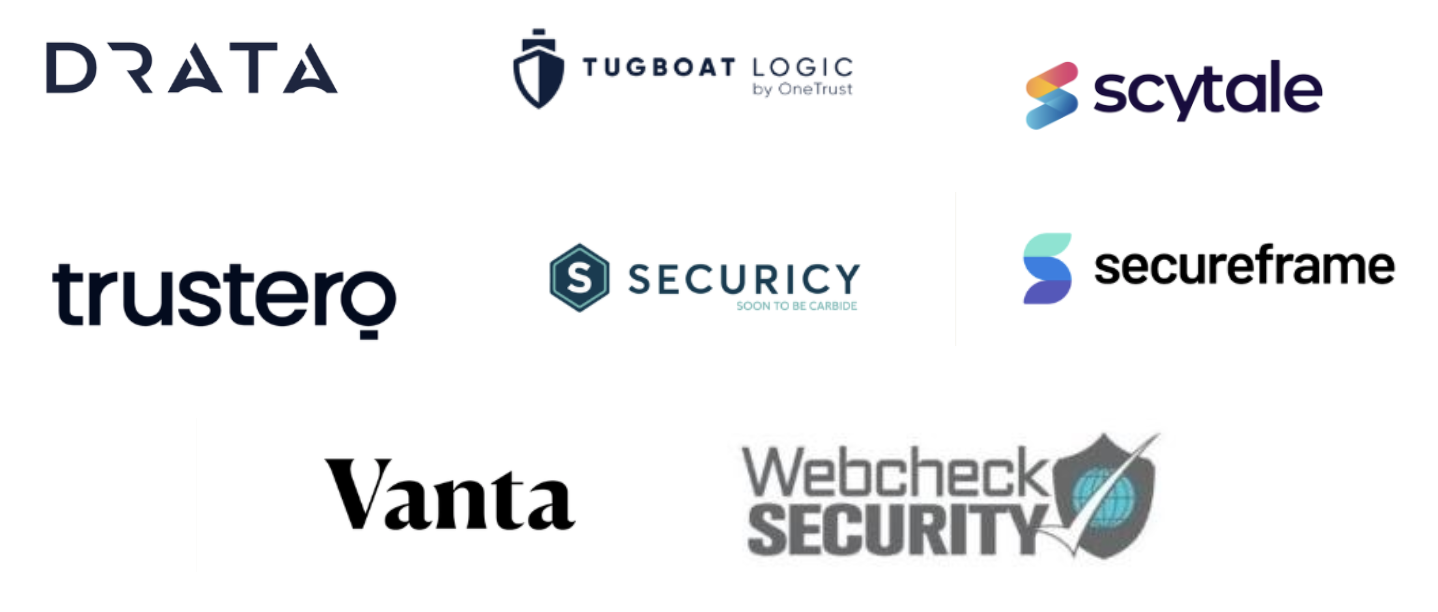
See Johanson Group’s List of Trusted Partners HERE
3. Reporting and Communication
Effective communication is critical for a successful ISO 27001 penetration testing engagement. The testing company should be able to provide clear and concise reporting that outlines all identified vulnerabilities and offers actionable recommendations to address them. The report should be presented in a way that is easy for the business to understand, regardless of their technical expertise.
The report should include a detailed analysis of the testing methodology and the tools used during the engagement. This will help the business understand the approach the testing company took and have confidence in the results. Additionally, the report should provide a breakdown of the identified vulnerabilities based on their severity level, potential impact, and ease of exploitation.
To ensure effective communication, the testing company should be available to answer any questions or concerns the business may have throughout the testing process. They should also be open to discussing any issues that arise during the testing and provide regular updates on the progress of the engagement.
Following the testing, the company is expected to furnish a conclusive report that summarizes the discoveries and suggestions. To guarantee that the vulnerabilities and their remedies are comprehended, the report must be examined with the business. The testing company must also be accessible for continuous assistance and to respond to any further queries that may emerge.
4. Price and Budget Considerations
When it comes to pricing and budgeting for ISO 27001 penetration testing, it is crucial for businesses to prioritize quality over cost. Although opting for a cheaper alternative may seem attractive, insufficient testing could lead to expensive security breaches. Therefore, it is vital to identify a testing company that offers quality services within the business's financial limitations.
Furthermore, when selecting a testing company, businesses must evaluate the value for money. Some companies may provide lower prices, but they may not offer the same level of quality or may overlook certain vulnerabilities during testing. To ensure that the business gets the best return on investment, it is important to assess the company's experience, expertise, tools, and pricing.
Additionally, businesses should consider the potential costs of security breaches resulting from inadequate testing. Apart from financial expenses, security breaches can harm the company's reputation, erode customer trust, and lead to legal ramifications. By investing in high-quality testing, the company can avoid these expensive consequences in the long term.
Best Practices for ISO 27001 Penetration testing

Conducting regular penetration testing:
It is recommended to perform penetration testing at least once a year or whenever significant changes are made to the information system.
Engaging experienced and reputable penetration testing service providers:
Hiring experienced and reputable service providers who can provide accurate and actionable reports is crucial.
Clearly defining the scope of the penetration testing:
It is essential to limit the size of the penetration testing to ensure that all critical areas of the information system are tested.
Obtaining senior management buy-in:
Senior management buy-in is crucial for the success of penetration testing. It helps to ensure that the necessary resources are allocated for the testing and the recommendations are implemented.
By following best practices, organizations can ensure that their information system is secure and that sensitive information is protected from unauthorized access.
Conclusion
In conclusion, penetration testing is an essential component of any comprehensive cybersecurity program. It helps identify vulnerabilities and risks attackers could exploit to gain unauthorized access to sensitive data.
When selecting a penetration testing company, businesses should consider the relevant experience and expertise of the firm, their testing methodology and tools, reporting and communication capabilities, and budget considerations.
Protect your business from cyber threats with Johanson Group's comprehensive penetration testing and compliance certification services.
By choosing a professional risk advisory firm like Johanson Group, LLP, businesses can benefit from a team of experts with vast experience conducting successful penetration tests and compliance audits such as SOC 2 and HIPAA attestation. With Johanson Group, businesses can rest assured that their sensitive data is protected by the latest and most advanced security measures.
Contact us today to learn how we can help secure your business.

3 Essential Steps for Choosing the Right SOC 2 Risk Advisory Professional for Your Compliance Needs
3 Essential Steps for Choosing the Right SOC 2 Risk Advisory Professional for Your Compliance Needs
Conducting a SOC 2 audit can be intricate and difficult, which is why numerous organizations seek help from SOC 2 risk assessment providers to navigate the process.
However, it's important to choose the right provider to ensure that your audit is successful and meets your organization's specific needs.

In this article, we will outline three key steps your organization should follow when hiring a SOC 2 risk advisory provider for SOC 2 compliance audit.
- Step 1: Understand the scope of your SOC 2 audit
- Step 2: Align your PSCRs with relevant TSC
- Step 3: Research and compare potential SOC 2 audit risk assessment providers based on specific qualifications
Step 1: Understand the Scope of Your SOC 2 Audit
Defining the scope of your SOC 2 audit is a critical first step for businesses navigating SOC 2 compliance and risk assessments.

Here's how:
Identify regulatory requirements, risk factors, and compliance standards specific to your industry
It is essential to conduct thorough research into the regulatory requirements and industry-specific compliance standards that apply to your organization.
This can involve consulting with industry associations or regulatory bodies and reviewing relevant legal and regulatory documents.
In addition to understanding the regulatory requirements and compliance standards, it is also critical to identify and assess the specific risk factors that may impact your business.
This can include factors such as the type of data your organization collects and stores, the security measures you have in place, and the vendors or third-party providers you work with.
Identify the specific services or systems in scope for your SOC 2 audit
Defining the scope of the audit, including the systems, applications, and data flows, can also assist in selecting the appropriate SOC 2 risk advisory professional.
For example, suppose your organization provides cloud-based accounting services to clients. In that case, you would need to identify the specific systems and services in scope for the SOC 2 audit. This might include your cloud infrastructure, software applications, and data storage systems.
Another example might be a healthcare organization that provides medical record storage and management services. In this case, the scope of the SOC 2 audit would include the specific systems and services that manage and store patient health information. This might include electronic health record (EHR) systems, data storage systems, and other applications for managing patient health information.
*It is important to note that not all systems and services within your organization will be in scope for the SOC 2 audit.
HIPPA Compliance Audit & Attestation Services? Learn more.
Evaluate the risks and prioritize controls
By prioritizing controls based on the level of risk, organizations can ensure that they are adequately prepared for the SOC 2 audit and demonstrate their commitment to maintaining strong data security practices. This can help to build trust with customers and partners and provide a competitive advantage in the marketplace.
One example of this process in action might be for an organization that processes credit card payments. In this case, the organization would need to evaluate the potential risks associated with storing and transmitting credit card data and prioritize controls to mitigate those risks. For example, the organization might prioritize implementing strong encryption protocols, multi-factor authentication, and access controls to protect against unauthorized access to credit card data.
Another example might be a cloud-based software company that provides customer relationship management (CRM) services. In this case, the organization would need to evaluate the risks associated with the storage and management of customer data and prioritize controls to mitigate those risks. For example, the organization might prioritize implementing strict access controls, data encryption, and regular security audits to ensure that customer data is protected.
READ More: Why SOC 2 auditing is essential for SaaS businesses
In both of these examples, the organization would need to prioritize controls based on the risk associated with the systems and services in scope for the audit. This might involve conducting a risk assessment to identify potential vulnerabilities, evaluating the effectiveness of existing controls, and developing a plan to address any identified gaps.
Once you've determined the scope of your SOC 2 assessment, move on to Step 2: aligning your PSCRs with relevant TSC.
2. Align Your PSCRs with Relevant TSC
As businesses navigate SOC 2 compliance and risk assessments, it is critical to review customer commitments outlined in Privacy and Security Control Requirements (PSCRs) to identify the precise controls relevant to the services or systems provided and align those requirements with SOC 2 compliance requirements, like the Trust Services Criteria (TSC).
Review your customer commitments and know what they expect from you—and what you've promised
This involves thoroughly reviewing contracts, service level agreements (SLAs), and other documents that outline the specific security and privacy requirements your organization has committed to providing.
By aligning with these requirements, organizations can demonstrate their commitment to maintaining strong data security practices and building customer trust.
Ensure that your audit aligns with the specific requirements of SOC 2 compliance, including the Trust Services Criteria (TSC)
The TSC outlines the specific criteria that organizations must meet to demonstrate their adherence to the principles of security, availability, processing integrity, confidentiality, and privacy.
By aligning with the TSC, organizations can ensure that they are adequately prepared for the SOC 2 audit and can effectively demonstrate their commitment to maintaining strong data security practices.
Now that you've reviewed your customer commitments and the specific requirements for your organization, you may be ready to start the process of finding a SOC 2 risk advisory professional to complete your SOC 2 audit and provide a certificate of compliance.
However, finding the right auditor is not as simple as just conducting a quick search for a local SOC 2 auditor.
It's important to conduct thorough research to ensure that you find an auditor who is a good fit for your organization and who has the expertise required to conduct a successful SOC 2 audit.
In the following section, we will discuss some key factors when selecting a SOC 2 risk advisory professional.
READ MORE: SOC 2 Controls: What they are and how they help you stay compliant
3. Research and compare potential SOC 2 audit risk assessment providers based on specific qualifications
When choosing a third-party SOC 2 risk assessment audit provider, making an informed decision is important.
You don't want to pick a provider out of a hat without first understanding who you're hiring and whether they suit your company's needs.
When investigating a company, pay close attention to these factors:
- Experience:
Look for a provider with experience in your industry and the specific services or systems in scope for your SOC 2 audit. They should also have experience with the type of SOC 2 report you need, whether a Type I or Type II report.
- Expertise:
Choose a provider with expertise in the specific controls that are in scope for your SOC 2 audit. They should be able to evaluate those controls thoroughly and provide recommendations for improvement if necessary.
- Quality of work:
Look for a provider with high-quality work and a good track record of delivering accurate and comprehensive reports. Check their references and read reviews from other clients to understand their reputation.
- Cost:
While cost shouldn't be the only factor you consider, choose a provider that fits your budget. Compare prices from different providers and ensure you get a fair price for their services.
- Communication:
Choose a provider that communicates well and is responsive to your needs. They should be able to answer your questions and provide regular updates on the progress of the audit.
By considering these factors when choosing a third-party SOC 2 risk assessment audit provider, you can make an informed decision and select a provider that is right for your company's needs.
Compare SOC 2 Risk Assessment Providers
Once you've identified potential SOC 2 risk assessment providers, compare them based on their:
- Pricing and billing practices
- Customer support and responsiveness
- Approach to risk management and Mitigation
- Ability to offer customized solutions
- Reviews or testimonials
Evaluating these factors will help you choose a provider that meets your unique business needs and goals.
Finalize Your Selection
After comparing SOC 2 risk assessment providers, finalize your selection by scheduling consultations with the shortlisted providers.
During these consultations, evaluate the provider's communication skills and rapport, review their service level agreements (SLAs) and contracts, and decide based on the provider's fit for your business needs.
READ MORE: 7 things to look for in a SOC 2 auditor
Conclusion
Choosing the right SOC 2 risk assessment provider ensures a successful SOC 2 audit and compliance. Following the steps outlined in this article, you can make an informed decision and select a provider that aligns with your business needs and goals.
Remember: take your time, research, and ask questions to ensure a smooth and stress-free SOC 2 risk assessment process.
Johanson Group: Your SOC 2 risk assessment provider
Our team of experts can guide you through the entire compliance and attestation process. Ensure you select the right provider to meet your business needs and goals with Johanson Group LLP.
Contact us today to see if we're the right fit for your SOC 2 compliance needs.
Services


